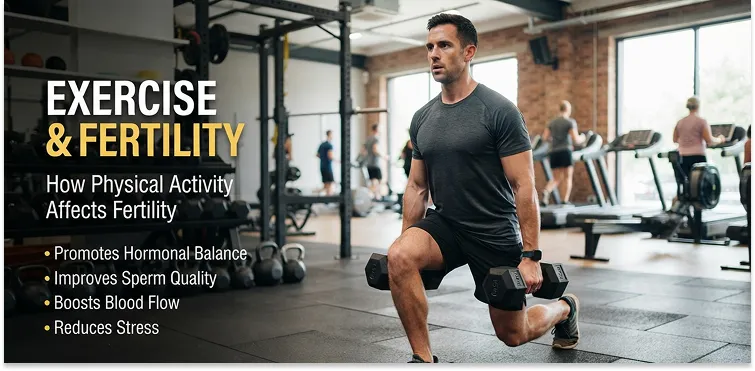
Exercise and Fertility How Physical Activity Affects Fertility

Exercise and Fertility: How Physical Activity Affects Fertility

Trying to conceive often means looking at everyday habits such as exercise, diet, sleep, and stress. Physical activity can support overall health and may also influence reproductive health.

Moderate exercise can help maintain a healthy weight, support hormonal and metabolic health, and reduce stress. However, excessive or very intense exercise may sometimes affect reproductive function, especially when the body does not receive enough energy.

Understanding the connection between exercise and fertility can help you create a balanced routine that supports your health while trying to conceive.

Table of Contents

How Does Exercise Affect Fertility?

Exercise can influence fertility by supporting overall physical and metabolic health.

Regular, moderate activity may support healthy weight management, circulation, stress management, and hormone function in both women and men.

For women, exercise may support regular menstrual cycles and healthy ovulation, while for men, staying active can support cardiovascular health and overall reproductive wellbeing.

These benefits can be especially relevant when factors such as weight or insulin resistance affect fertility.

However, the impact depends on the type, intensity, and amount of exercise.

Moderate activity can be helpful, but excessive training or inadequate nutrition may place stress on the body and potentially affect reproductive function.

Can Exercise Improve Fertility?

Exercise does not guarantee pregnancy, but maintaining an appropriate level of physical activity can create healthier conditions for conception.

Regular moderate exercise may help:

  • Maintain a healthy body weight
  • Improve blood circulation
  • Support heart and metabolic health
  • Improve insulin sensitivity
  • Reduce stress and anxiety
  • Support better sleep
  • Improve overall physical fitness

For some women, improving metabolic health and achieving a healthier weight may help support more regular ovulation.

For men, regular physical activity can contribute to better overall health, which is important for reproductive function.

The key is balance. Exercise should support your health rather than place excessive physical stress on your body.

How Much Exercise Is Recommended When Trying to Conceive?

For most people trying to conceive, about 150 minutes of moderate exercise per week is a good general goal. You can spread this across several days with activities like walking, swimming, or cycling.

You do not need to exercise for hours every day. A balanced routine that includes regular movement and enough rest is usually more helpful.

If you do intense workouts or endurance training, speak with a healthcare professional if you have irregular periods, extreme tiredness, or difficulty conceiving.

Best Exercises for Fertility

There is no specific exercise that can directly “boost” fertility. Instead, the goal is to choose activities that support overall health without placing excessive stress on the body.

Walking

Walking is one of the easiest ways to stay active while trying to conceive. Brisk walking can improve cardiovascular fitness without putting excessive strain on the body.

Swimming

Swimming provides a full-body workout while placing relatively little impact on the joints. It can be a comfortable option for people who want to remain active without high-impact exercise.

Cycling

Moderate cycling can provide an effective cardiovascular workout. If you are cycling regularly, particularly for long periods, make sure your routine is appropriate for your fitness level.

Strength Training

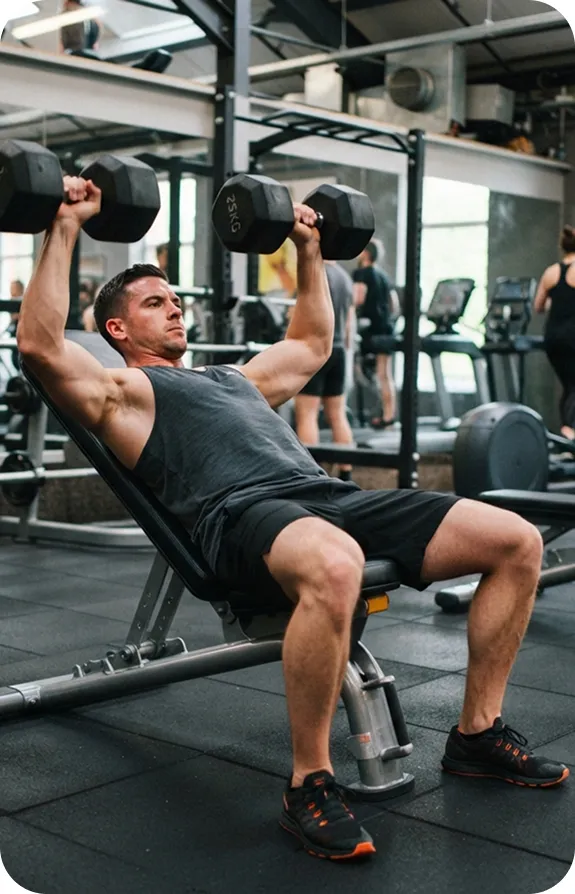
Moderate resistance training can help maintain muscle strength, bone health, and metabolic health. Focus on controlled movements and appropriate weights rather than constantly pushing your limits.

Yoga and Stretching

Yoga can support flexibility, balance, relaxation, and stress management. It should not be viewed as a fertility treatment, but it can be a useful part of a healthy lifestyle while trying to conceive.
Exercise and Fertility

Can Too Much Exercise Affect Fertility?

Yes. Too much exercise can sometimes affect fertility, especially when your body does not get enough energy to meet its needs.

In women, very intense exercise and not eating enough can affect the hormones that control ovulation and periods. This may cause irregular or missed periods.

This is often linked to low energy availability, which can affect normal reproductive hormone function.

Signs that your exercise routine may be too demanding include:

  • Irregular or missed periods
  • Constant tiredness
  • Slow recovery after exercise
  • Unexplained weight loss
  • Frequent injuries
  • Mood changes
  • Lower exercise performance

If you notice these signs while trying to conceive, speak with a healthcare professional instead of simply exercising more or changing your diet on your own.

Exercise and Female Fertility

Regular, moderate exercise can help with female infertility by helping maintain a healthy weight and supporting hormone and metabolic health.

For women with PCOS, physical activity may also improve insulin sensitivity and support ovulation. However, too much exercise or not eating enough can sometimes affect periods and ovulation.

A balanced routine can support reproductive health. Helpful activities include:

  • Brisk walking
  • Swimming
  • Moderate strength training
  • Gentle yoga or stretching

The goal is to stay active without overworking your body or disrupting your menstrual cycle.

Exercise and Male Fertility

Regular, moderate exercise can help male infertility by improving overall health, circulation, and metabolic function. Staying active may also support healthy sperm production and quality.

However, too much intense exercise, poor nutrition, and excessive heat may affect sperm health. Men should also avoid anabolic steroids, which can reduce sperm production.

Helpful activities include:

  • Brisk walking
  • Swimming
  • Moderate cycling
  • Strength training

The goal is to stay active without overtraining. A balanced routine, healthy diet, good sleep, and regular recovery can all support reproductive health.

Exercise, Weight, and Fertility

Maintaining a healthy weight can support fertility in both women and men. Regular exercise can help manage weight, improve metabolism, and support overall reproductive health.

Being underweight or overweight may sometimes affect hormones, ovulation, or sperm health. However, fertility is not determined by weight alone, and healthy ranges can vary from person to person.

A balanced approach is best:

  • Exercise regularly
  • Eat a nutritious, balanced diet
  • Avoid extreme dieting
  • Give your body enough rest

The goal is to support your overall health rather than focus only on the number on the scale.

Exercise and Fertility Treatments

During IUI or IVF treatment, your exercise routine may need to be adjusted based on your treatment and how your body responds.

Ovarian stimulation can temporarily enlarge the ovaries, making some activities less suitable.

Your fertility specialist may recommend limiting:

  • High-impact exercise
  • Heavy lifting
  • Intense or repetitive twisting

Gentle activities such as walking may be suitable for many people. However, always follow your fertility specialist’s personalised advice throughout treatment.

Exercise While Trying to Conceive: What Should You Avoid?

Being active does not mean you need to avoid exercise altogether. Instead, focus on avoiding unnecessary extremes.

Depending on your circumstances, you may need to limit:

  • Very high-intensity training without adequate recovery
  • Extreme endurance exercise
  • Exercise that causes persistent exhaustion
  • Training while severely restricting food intake
  • Activities with a high risk of injury
  • Excessive heat exposure
  • Anabolic steroid use

If you have recently undergone fertility treatment or have a specific reproductive health condition, your restrictions may be different.

Exercise and Fertility: Common Myths and Facts

Myth: You need to stop exercising to get pregnant.

Fact: Most people do not need to stop exercising while trying to conceive. Moderate physical activity can be part of a healthy preconception lifestyle.

Myth: More exercise means better fertility.

Fact: Exercise has a balance point. Excessive training and inadequate energy intake may interfere with reproductive function.

Myth: Yoga can directly increase fertility.

Fact: Yoga may support relaxation, flexibility, and general wellbeing, but there is no exercise that can guarantee conception.

Myth: Exercise causes infertility.

Fact: Normal, moderate exercise does not generally cause infertility. Problems are more likely to arise when exercise is excessive or associated with low energy availability or other health issues.

Myth: Fertility problems are only related to women.

Fact: Fertility involves both partners. Male factors contribute to a significant proportion of fertility problems, which is why evaluating both partners can be important.

How to Create a Fertility-Friendly Exercise Routine

A fertility-friendly exercise routine should be realistic, sustainable, and appropriate for your health.

Start by choosing activities you enjoy. This makes it easier to stay consistent without feeling that exercise is another source of pressure while trying to conceive.

A balanced weekly routine could include:

  • Cardiovascular exercise: Walking, swimming, or moderate cycling
  • Strength training: Two or more manageable sessions each week
  • Flexibility: Gentle stretching or yoga
  • Rest: Regular recovery days and adequate sleep

Pay attention to how your body responds. Persistent fatigue, changes in your menstrual cycle, unexplained weight loss, or poor recovery may be signs that your routine needs to be adjusted.

Nutrition is equally important. Your body needs sufficient energy and nutrients to support normal hormonal and reproductive function.

When Should You Speak to a Fertility Specialist?

If you have been trying to conceive without success, speaking with a fertility specialist clinic can help identify possible causes and guide you toward the right next steps.

Consider seeking professional advice if you have:

  • Irregular or absent periods
  • Known reproductive or hormonal conditions
  • Previous fertility problems
  • Concerns about sperm health
  • Difficulty conceiving despite regular attempts

A fertility specialist can assess both partners and recommend appropriate tests or treatments based on your individual needs.

Final Thoughts

Regular, moderate exercise can support overall health while trying to conceive.

It may help with healthy weight, fitness, stress management, and metabolic health.

However, more exercise is not always better. Excessive training, poor nutrition, and inadequate recovery may affect reproductive health.

Aim for a balanced routine, listen to your body, and allow enough time for recovery.

If you are having difficulty conceiving, a fertility specialist can help identify other factors that may be affecting your fertility.