What Does Fertility Mean – Complete Guide

What Does Fertility Mean? – Complete Guide

Trying to understand fertility can feel confusing, especially if you’re planning a pregnancy or worried about delays. Many people struggle with questions like “Is everything normal?” or “Why is it taking so long?”—and clear answers aren’t always easy to find.

There’s also a lot of mixed information online, which can make things more stressful. You might be unsure about how fertility actually works, what affects it, or when to be concerned. In some cases, speaking with a trusted gynaecology clinic can also help you get clarity and reassurance.

This guide will give you a complete and simple explanation of what fertility really means, how it works in men and women, and what you can do to support it with confidence.

Table of Contents

What Does Fertility Actually Mean?

Fertility refers to the natural ability to conceive a child. In simple terms, it means that the body is capable of producing healthy reproductive cells and supporting pregnancy.

For a pregnancy to happen, several things need to work together:

  • The body must produce healthy eggs or sperm
  • Fertilization must occur
  • The fertilized egg must implant and grow in the uterus

If any part of this process doesn’t work properly, it can affect fertility.

It’s also important to understand that fertility is not just about women. Both partners play an equal role, and issues can arise on either side.
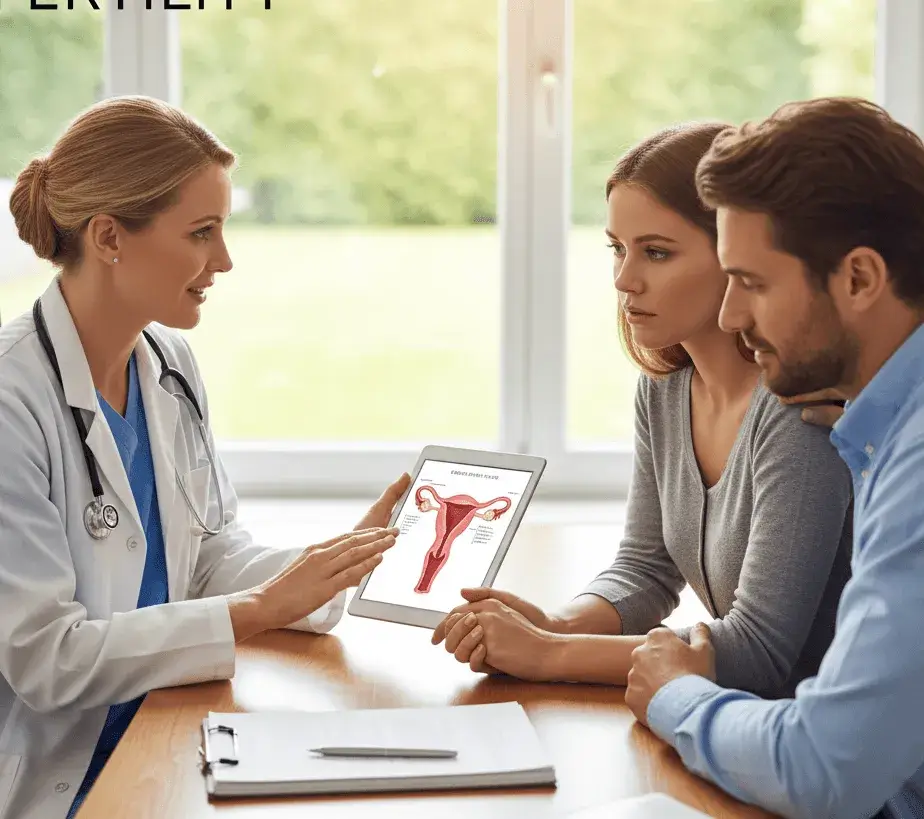
What Does Fertility Actually Mean

Understanding Fertility in Men and Women

Fertility works differently in men and women, but both systems must function well for conception to happen.

  • In women, fertility is linked to ovulation and reproductive health
  • In men, it depends on sperm production and quality

Let’s break these down further.

Female Fertility Explained

Female fertility is mainly controlled by the menstrual cycle. Each month, the body prepares for a possible pregnancy.

Here’s how it works:

  1. The ovaries release an egg (ovulation)
  2. The egg travels through the fallopian tube
  3. If sperm is present, fertilization may occur
  4. The fertilized egg moves to the uterus for implantation

This process is regulated by hormones like estrogen and progesterone.

Key points about female fertility:

  • Ovulation usually occurs once per cycle
  • The “fertile window” is about 4–5 days before ovulation and the day of ovulation
  • Egg quality and quantity decline with age

A regular menstrual cycle is often a sign that ovulation is happening normally, though it doesn’t guarantee fertility.

Male Fertility Explained

Male fertility is based on the production and health of sperm. Unlike women, men produce sperm continuously.

For successful conception, sperm must:

  • Be produced in sufficient numbers
  • Have good movement (motility)
  • Have a normal shape (morphology)

Sperm travels through the reproductive tract and is released during ejaculation.

From there, it must reach and fertilize the egg.

Key points about male fertility:

  • Sperm production takes about 70–90 days
  • Lifestyle and health directly affect sperm quality
  • Even small issues can impact fertility

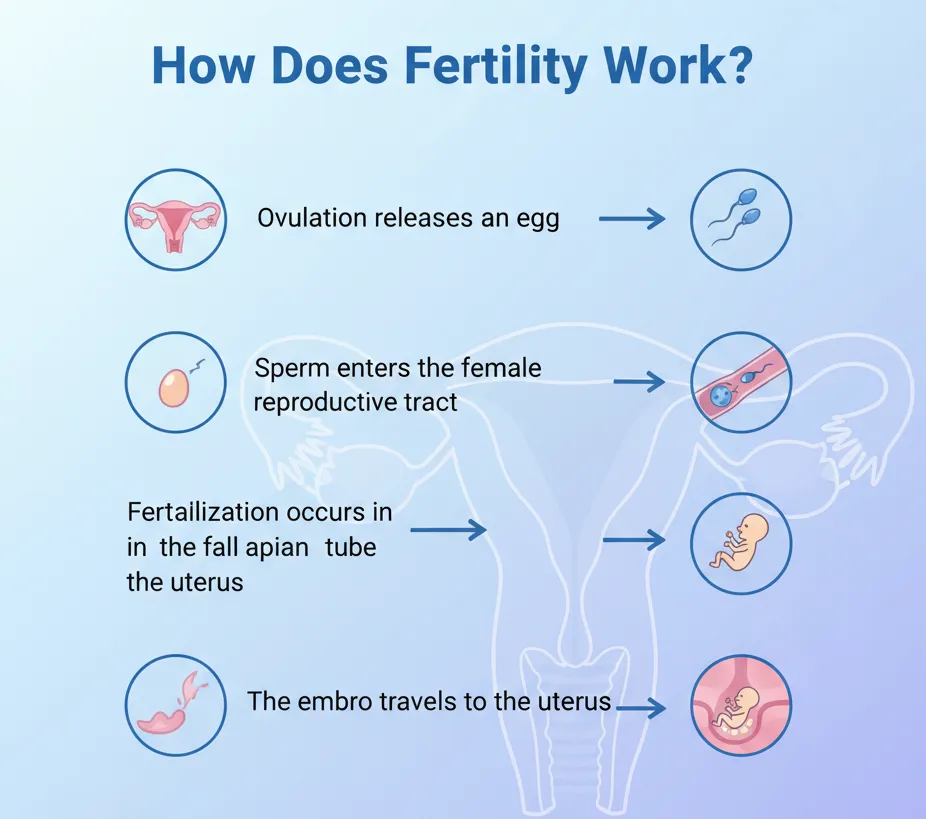
How Does Fertility Work?

Fertility depends on timing and coordination between the male and female reproductive systems.

Here’s a simplified sequence:

  1. Ovulation releases an egg
  2. Sperm enters the female reproductive tract
  3. Fertilization occurs in the fallopian tube
  4. The embryo travels to the uterus
  5. Implantation takes place

If any step is disrupted, conception may not occur.

Timing is especially important. Since the egg survives only about 12–24 hours after ovulation, intercourse during the fertile window significantly increases the chances of pregnancy.

How Does Fertility Work

Key Factors That Affect Fertility

Fertility is influenced by a wide range of factors. Some are within your control, while others are not.

Age

Age

Age plays a major role in fertility, especially for women, as egg quality declines after late 20s and drops faster after age 35 over time.

Hormonal Balance

Hormonal Balance

Hormones control ovulation and sperm production, and even small imbalances can disrupt cycles, reduce chances of conception, and affect overall reproductive health.

Lifestyle Choices

Daily habits like smoking, alcohol use, poor diet, and lack of activity can lower egg and sperm quality and reduce overall fertility potential.

Weight

Being underweight or overweight can disrupt hormones, affect ovulation, reduce sperm quality, and make it harder for the body to support conception naturally.

Medical Conditions

Medical Conditions

Conditions affecting reproductive health can interfere with ovulation, sperm production, hormone levels, and overall fertility in both men and women.

Stress

Stress

Long-term stress can disrupt hormone balance, affect ovulation and sperm production, and gradually reduce fertility if not managed properly over time.

Signs of Good vs Poor Fertility

Understanding the signs of fertility can help you better assess your reproductive health.

While some indicators suggest everything is functioning well, others may point to potential issues that should not be ignored.

Recognizing these early signs can guide you in deciding when to seek advice or make lifestyle changes.

Signs of Good Fertility

  • Regular menstrual cycles
  • Clear or stretchy cervical mucus
  • Stable hormone levels
  • Good overall health and energy

In men:

  • Normal sperm count and quality
  • No issues with sexual function

Signs of Poor Fertility

  • Irregular or missed periods
  • Painful menstruation
  • Hormonal symptoms like acne or hair loss
  • Difficulty conceiving after 12 months of trying

In men:

  • Low sperm count
  • Reduced libido
  • Erectile or ejaculation issues

Common Causes of Infertility

Infertility is usually diagnosed when a couple has been trying to conceive for at least one year without success. Some common causes include:

In Women

  • Ovulation disorders
  • Blocked fallopian tubes
  • Hormonal imbalances
  • Conditions like PCOS or endometriosis

In Men

  • Low sperm count
  • Poor sperm motility
  • Abnormal sperm shape
  • Hormonal issues

In Both

  • Genetic factors
  • Chronic illnesses
  • Lifestyle-related problems

Fertility Testing and Diagnosis

Early diagnosis can make a big difference in choosing the right treatment or lifestyle changes. If you suspect fertility issues, testing can help identify the underlying cause and guide the next steps effectively.

Many people also choose to visit a fertility clinic in London for professional evaluation and personalized care, ensuring they receive the right support at the right time.

For Women

  • Blood tests to check hormone levels
  • Ultrasound to examine ovaries and uterus
  • Ovulation tracking
  • Fallopian tube tests

For Men

  • Semen analysis (checks sperm count, movement, and shape)
  • Hormone testing
  • Physical examination
Fertility Testing and Diagnosis

Tips to Improve Fertility Naturally

While not all fertility issues can be solved naturally, simple lifestyle changes can still improve your chances of conception over time.

  • Eat a balanced diet with essential nutrients to support hormones and reproductive health.
  • Exercise regularly to maintain a healthy weight and improve hormone balance.
  • Manage stress with simple techniques like meditation or deep breathing.
  • Get enough sleep to support overall health and proper reproductive function.
  • Avoid smoking, excess alcohol, and processed foods to protect fertility.
  • Track ovulation to understand your cycle and improve timing for conception.

Fertility Across Life Stages

Fertility changes naturally over time, influenced by age, hormones, and overall health. Understanding how it evolves at different life stages can help you plan better and set realistic expectations.

Age RangeFertility LevelKey CharacteristicsRecommendations
Teens–20sHighRegular ovulation, good egg qualityMaintain healthy habits
30–34Moderate to HighSlight decline beginsMonitor cycle, plan ahead
35–39ModerateEgg quality declines fasterConsider fertility check-ups
40+LowerReduced egg reserve and qualitySeek medical advice early

Final Thoughts

Fertility is more than just the ability to conceive—it reflects overall reproductive health in both men and women. Understanding how it works can help you make informed decisions, whether you are trying to have a child now or planning for the future.

While some factors like age cannot be changed, many aspects of fertility are influenced by lifestyle, health, and early awareness. Paying attention to your body, recognizing potential issues, and seeking help when needed can make a significant difference.

The most important thing is to stay informed and proactive. With the right knowledge and support, many fertility challenges can be managed or improved over time.