
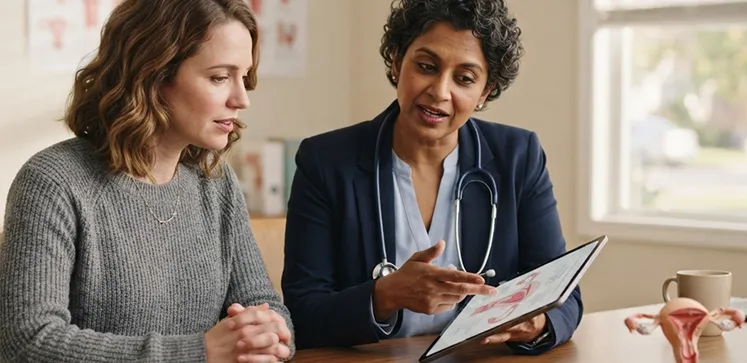
Painful periods are common, but severe or worsening menstrual pain should not always be considered a normal part of having a period.
When period pain occurs alongside difficulty getting pregnant, it may point to an underlying reproductive health condition.
Some conditions can cause both painful periods and infertility, including endometriosis, uterine fibroids, adenomyosis, pelvic inflammatory disease, and problems affecting the fallopian tubes or ovaries. Finding the cause can help guide the right treatment.
If you have severe menstrual pain, irregular periods, pain during sex, or have been trying to conceive without success, a fertility clinic can assess your symptoms and fertility.
Painful periods, also called dysmenorrhea, cause cramps or pain in the lower abdomen before or during a period. The pain may also spread to the lower back or thighs.
Mild cramps are common because the uterus contracts during menstruation. But severe or worsening pain may be a sign of an underlying condition and should not be ignored.
Other symptoms can include:
Pain itself does not usually cause infertility. Instead, the condition causing the pain may affect fertility.
For example, endometriosis can cause inflammation, scar tissue, and changes around the reproductive organs. Fibroids may affect the uterus, while pelvic infections can damage the fallopian tubes.
Some people have painful periods but normal fertility. Others may have an underlying condition that affects both menstrual health and the ability to conceive.
This is why persistent or severe period pain should be evaluated, particularly when pregnancy has not occurred as expected.
Several reproductive health conditions can contribute to both symptoms.
Endometriosis occurs when tissue similar to the uterine lining grows outside the uterus. It can cause painful periods, pelvic pain, pain during sex, and sometimes bowel or bladder symptoms.
The condition can also affect fertility by causing inflammation, adhesions, ovarian changes, or problems involving the fallopian tubes.
Uterine fibroids are non-cancerous growths that develop in or around the uterus. Depending on their size and location, they may cause painful or heavy periods.
Some fibroids can also interfere with implantation or change the shape of the uterine cavity, potentially affecting fertility.
Adenomyosis occurs when tissue similar to the uterine lining grows into the muscular wall of the uterus. It may cause painful periods, heavy bleeding, pelvic pressure, and an enlarged uterus.
It may also be associated with reduced fertility in some people.
Pelvic inflammatory disease (PID) is an infection affecting the female reproductive organs. It can develop after certain sexually transmitted infections.
If untreated, PID may cause scarring in the fallopian tubes. This can make it harder for sperm and egg to meet and may increase the risk of ectopic pregnancy.
Some ovarian conditions, including certain ovarian cysts and endometriomas associated with endometriosis, may cause pelvic pain and affect ovarian function or fertility.
Endometriosis is one of the most important conditions to consider when severe period pain occurs with fertility problems.
During the menstrual cycle, endometriosis-related tissue can respond to hormonal changes. This may lead to inflammation, swelling, and pain.
Over time, inflammation can contribute to scar tissue and adhesions. These can cause pelvic organs to stick together or change the normal position of the ovaries and fallopian tubes.
Endometriosis may also affect fertility through changes in the pelvic environment, ovarian function, or the ability of an embryo to implant.
Importantly, the severity of pain does not always match the severity of endometriosis. Someone with significant disease may have mild symptoms, while another person may experience severe pain with less extensive disease.
The tests you need depend on your symptoms, medical history, age, and how long you have been trying to conceive.
Common fertility and pelvic pain tests include:
A fertility evaluation may also include ovulation testing and a semen analysis for the male partner because infertility can involve either or both partners.
Diagnosis usually begins with a detailed discussion about your symptoms and menstrual history.
Your doctor may ask when the pain starts, how severe it is, whether it occurs outside your period, and whether you experience pain during sex or bowel movements.
Your pregnancy history, previous pelvic infections, surgeries, contraception, and family history may also be relevant.
Imaging and laboratory tests can provide more information. However, not every condition can be identified through a single test.
For suspected endometriosis, doctors may use symptoms, examination findings, ultrasound or MRI, and sometimes laparoscopy to establish the diagnosis and guide treatment.
Treatment depends on the underlying cause and whether pregnancy is currently a goal.
For some people, nonsteroidal anti-inflammatory drugs (NSAIDs) can reduce menstrual pain by lowering prostaglandin activity. Heat therapy and lifestyle measures may also provide relief.
Hormonal contraceptives can reduce menstrual bleeding and pain and may be used for conditions such as endometriosis.
However, they generally prevent pregnancy while being used, so they may not be suitable when actively trying to conceive.
Surgery may be considered for certain fibroids, endometriosis, adhesions, or other structural problems. The potential benefits and risks should be discussed carefully, especially when fertility is a priority.
Depending on the cause, fertility treatment may include ovulation medicines, intrauterine insemination (IUI), or in vitro fertilization (IVF).
The best option depends on factors such as age, ovarian reserve, sperm health, fallopian tube function, and the underlying condition.
Sometimes, treating the underlying cause of painful periods can improve the chances of pregnancy.
For example, treating certain fibroids, pelvic infections, or conditions affecting the fallopian tubes may address a direct barrier to conception.
However, reducing period pain does not automatically mean fertility will improve. Some pain treatments focus mainly on symptom control rather than restoring fertility.
If you are trying to conceive, tell your doctor before starting hormonal treatment or undergoing surgery. Your fertility goals can influence which treatment is most appropriate.
Consider seeing a gynaecology clinic if period pain that:
You should also seek a fertility evaluation if you have been trying to conceive without success, particularly when severe menstrual pain or a known reproductive condition is present.
Early assessment can help identify potentially treatable causes and prevent some conditions from progressing.
Painful periods and infertility can sometimes be linked, but period pain does not always mean you are infertile. Finding the cause of the pain is an important first step.
Conditions such as endometriosis, fibroids, adenomyosis, and pelvic inflammatory disease can affect both periods and fertility. Tests can help identify the underlying problem.
If severe period pain is affecting your daily life or you are having trouble getting pregnant, talk to a gynecologist or fertility specialist. Early care can help you explore the right treatment and fertility options.


