
10 Causes of Recurrent Miscarriage Seen in London (Complete Guide)

10 Causes of Recurrent Miscarriage Seen in London (Complete Guide)

Experiencing more than one miscarriage can be deeply upsetting and confusing. Many couples are left wondering why it keeps happening and what might be going wrong, even after visiting a gynaecology clinic in London for initial advice.

The emotional stress, combined with uncertainty, makes it even harder to cope. In a large city like London, finding clear and simple answers is not always easy.

This guide explains the 10 most common causes of recurrent miscarriage seen in London, along with clear insights into diagnosis, treatment, and when to seek specialist care.

Table of Contents

Understanding Recurrent Pregnancy Loss (RPL)

Recurrent pregnancy loss (RPL) is typically defined as two or more consecutive miscarriages before 20 weeks of pregnancy.

It affects a small percentage of couples, but its impact can be profound.

Doctors in London often approach RPL with a multifactorial perspective, meaning there may not be a single cause. Instead, several biological, genetic, hormonal, or environmental factors may contribute together.

Early evaluation is crucial because identifying the root cause can lead to targeted treatment and improved outcomes.


Common Causes of Recurrent Miscarriage

Recurrent miscarriage can happen for several reasons, and in many cases, more than one factor may be involved.

Understanding the possible causes is the first step toward finding the right treatment and improving your chances of a healthy pregnancy.

Here are the 10 most common causes of recurrent miscarriage seen in London:

  • Chromosomal abnormalities
  • Advanced maternal and paternal age
  • Uterine abnormalities
  • Antiphospholipid Syndrome (APS)
  • Inherited blood clotting disorders (thrombophilias)
  • Hormonal imbalances
  • Immune system disorders
  • Lifestyle and environmental factors
  • Male factor infertility
  • Infections and underlying medical conditions

Each of these causes is explained in detail below to help you understand how they affect pregnancy and what can be done about them.

1. Chromosomal Abnormalities

One of the leading causes of recurrent miscarriage is chromosomal abnormalities. These occur when an embryo has missing, extra, or rearranged chromosomes, making normal development impossible.

In some cases, one partner may carry a balanced translocation, where genetic material is rearranged but still functional. However, this can lead to embryos with unbalanced chromosomes.

Testing methods such as karyotyping and genetic screening are widely used in London fertility clinics to detect these issues.

2. Advanced Maternal and Paternal Age

Age plays a significant role in fertility and pregnancy outcomes.

  • Women over 35 have a higher risk of miscarriage due to declining egg quality
  • Men over 40 may also contribute to genetic abnormalities in sperm

As maternal age increases, so does the likelihood of chromosomal errors. Clinics in London often recommend early fertility assessment for couples planning pregnancy later in life.

3. Uterine Abnormalities

Structural issues in the uterus can interfere with embryo implantation or growth. Common examples include:

  • Fibroids
  • Uterine septum
  • Scar tissue (Asherman’s syndrome)

These abnormalities can reduce blood flow or space within the uterus, increasing miscarriage risk.

Diagnostic tools such as ultrasound, hysteroscopy, and MRI scans are commonly used in London to detect and correct these conditions.

4. Antiphospholipid Syndrome (APS)

Antiphospholipid Syndrome (APS) is an autoimmune condition where the body produces antibodies that increase blood clotting.

This can affect the placenta, reducing blood supply to the developing baby and leading to miscarriage.

APS is one of the most treatable causes of recurrent miscarriage. With proper management—typically low-dose aspirin and blood thinners—many women go on to have successful pregnancies.

5. Inherited Blood Clotting Disorders (Thrombophilias)

Conditions like Factor V Leiden are examples of inherited thrombophilias that increase the risk of abnormal clotting.

These clots can interfere with placental development, especially in early pregnancy.

Although not all thrombophilias directly cause miscarriage, they are often investigated in cases of unexplained RPL, particularly in London clinics with advanced hematology support.

6. Hormonal Imbalances

Hormones play a critical role in maintaining pregnancy. Even slight imbalances can disrupt implantation or early development.

Common hormonal causes include:

Hormonal testing is a routine part of fertility evaluation in London, and treatments may involve hormone supplementation or medication to stabilize levels.

Inherited Blood Clotting Disorders (Thrombophilias) and Hormonal Imbalances
Immune System Disorders and Lifestyle and Environmental Factors

7. Immune System Disorders

In some cases, the immune system may mistakenly attack the developing embryo. While research is ongoing, certain immune-related conditions have been linked to recurrent miscarriage.

These include:

  • Autoimmune disorders
  • Elevated natural killer (NK) cells

Specialist clinics in London may offer immunological testing, although this area remains complex and sometimes controversial. Treatment plans are usually individualized.

8. Lifestyle and Environmental Factors

Modern urban living, especially in a city like London, can introduce several lifestyle-related risks.

Key factors include:

  • Smoking
  • Excessive alcohol consumption
  • High caffeine intake
  • Obesity or poor diet
  • Exposure to environmental toxins

Even stress and irregular sleep patterns can indirectly impact reproductive health.

Making healthy lifestyle adjustments is often one of the simplest yet most effective ways to improve pregnancy outcomes.

9. Male Factor Infertility

While miscarriage is often associated with female health, male factors also play an important role.

Poor sperm quality—such as DNA fragmentation—can lead to embryos that fail to develop properly.

Advanced sperm testing is increasingly available in London and can help identify hidden male-related causes of recurrent miscarriage.

10. Infections and Underlying Medical Conditions

Certain infections and chronic health conditions can increase miscarriage risk. These include:

  • Untreated bacterial infections
  • Diabetes
  • Autoimmune diseases like Lupus

Although infections are less commonly a direct cause of recurrent miscarriage, they are still considered during a full medical evaluation.

Proper diagnosis and treatment of underlying conditions are essential for improving pregnancy success rates.

Treatment Options Based on Cause

Treatment Options Based on Cause

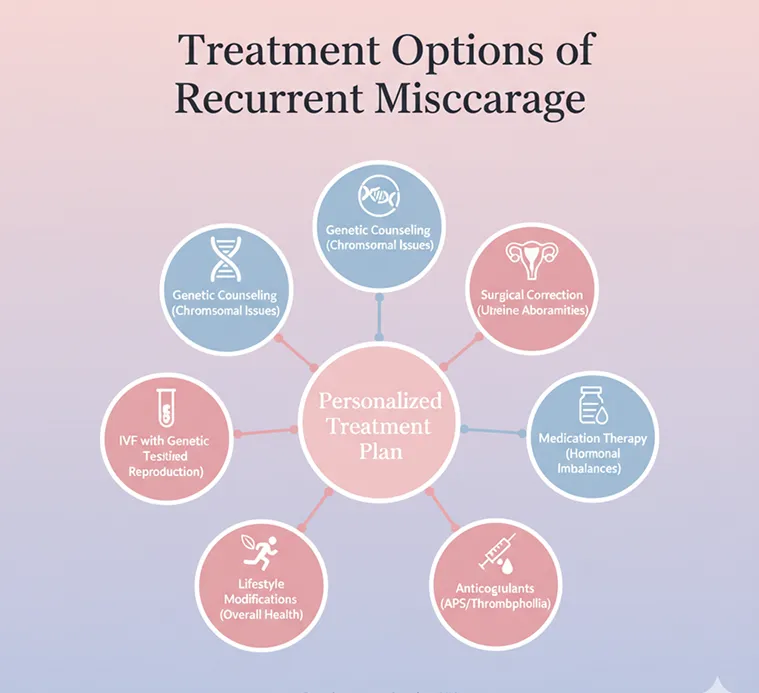
Treatment for recurrent miscarriage in London depends entirely on the underlying cause.

Fertility specialists often create personalized treatment plans that may include:

  • Genetic counseling for chromosomal issues
  • Surgical correction for uterine abnormalities
  • Medication therapy for hormonal imbalances
  • Anticoagulants for APS or thrombophilia
  • Lifestyle modifications to improve overall health
  • Assisted reproductive techniques like IVF with genetic testing

The key is accurate diagnosis. Once the cause is identified, treatment success rates improve significantly.

When to See a Specialist in London

You should consider seeing a fertility specialist if:

  • You have had two or more consecutive miscarriages
  • You are over 35 and planning pregnancy
  • You have known medical or genetic conditions
  • You are struggling to conceive alongside pregnancy loss

London is home to some of the UK’s leading fertility clinics, offering advanced diagnostic tools and multidisciplinary care. 

Early consultation can help prevent further emotional and physical strain.

Conclusion

Recurrent miscarriage can feel overwhelming, but many cases are treatable once the underlying cause is identified. Getting clear answers is often the first step toward moving forward with confidence.

From chromosomal abnormalities and hormonal imbalances to lifestyle factors and immune conditions, the causes can vary widely. The good part is that there are targeted solutions available for most of them.

In a medically advanced city like London, couples have access to expert care and modern diagnostics. With timely medical advice and the right support, many go on to have a healthy and successful pregnancy.