Incision-free, uterus-preserving treatment for fibroidsD
If you’ve been told your fibroids need treating and the conversation has jumped straight to surgery, it’s worth knowing that isn’t always the only option. Radiofrequency ablation treats fibroids directly, without a single abdominal incision.
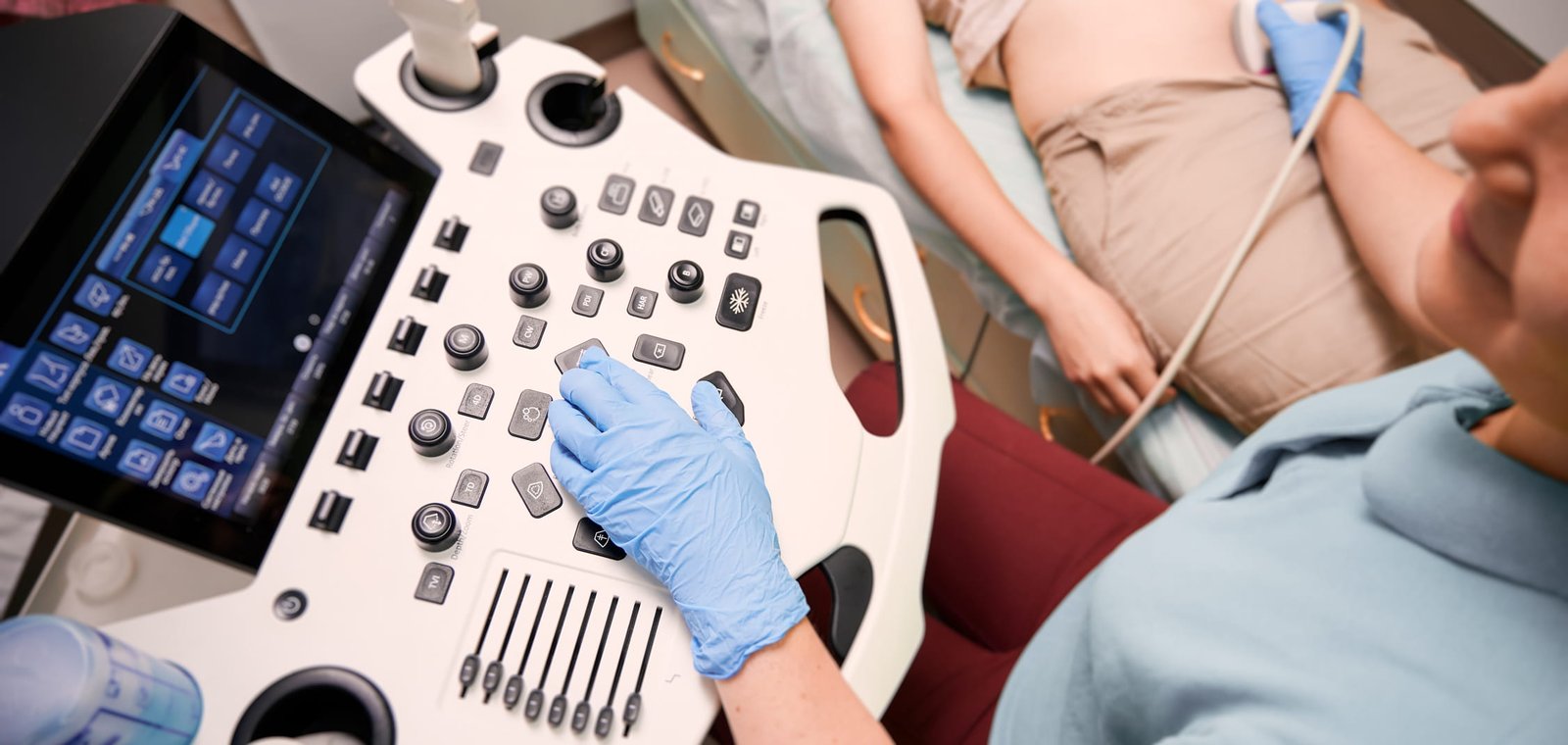
Our Fibroid Radiofrequency Ablation service uses a slim device passed through the cervix, guided by real-time ultrasound, to deliver targeted radiofrequency energy directly into each fibroid — typically as a day case, with most women back to normal activities within days rather than the weeks often needed after myomectomy or hysterectomy.
This may be for you if:
You've been told you need fibroid treatment and want to explore less invasive options first
You want to avoid an abdominal incision and a longer surgical recovery
Your fibroids are suitable in number, size and position for this approach
You want your uterus preserved, and want an honest conversation about what that does and doesn't mean for future fertility
Needing fibroid treatment doesn’t automatically mean major surgery — this is a genuinely less invasive option, for the right fibroids.
A slim probe is passed through the cervix into the uterine cavity — no abdominal incision is needed. Using real-time ultrasound to guide precise placement, a needle electrode is inserted directly into each fibroid, and radiofrequency energy is delivered through it, heating and destroying the fibroid tissue from within while leaving the surrounding healthy uterine muscle largely undisturbed.
Over the following weeks and months, the treated fibroid tissue shrinks and is gradually reabsorbed by the body, typically reducing the bulk and pressure symptoms it was causing. Because treatment is targeted fibroid by fibroid under direct ultrasound guidance, your consultant can treat multiple fibroids in a single session where appropriate, without the larger incision, blood loss and recovery time associated with open or laparoscopic myomectomy. The procedure typically takes 30 to 60 minutes as a day case, under local or general anaesthetic. Suitability depends on the number, size and position of your fibroids, which we assess individually before recommending this approach.
What's included:
Detailed ultrasound assessment of your fibroids to confirm suitability
A day-case procedure, typically 30 to 60 minutes, under local or general anaesthetic
No abdominal incisions
A clear recovery plan, usually measured in days rather than weeks
Clinical value & benefits
Treats fibroids directly, without an abdominal incision
Day-case procedure, typically 30 to 60 minutes
Recovery usually measured in days, not the weeks needed after myomectomy or hysterectomy
Can treat multiple fibroids in a single session, guided precisely by real-time ultrasound
Honest about fertility, not just recovery
This procedure is uterus-preserving — there’s no hysterectomy involved. What we won’t do is call it fertility-preserving as a selling point: the evidence on pregnancy outcomes after radiofrequency ablation is still a developing area, and we discuss this openly as part of your consultation, alongside your other options, rather than presenting it as settled.
Why women choose this treatment at LUNA:
A genuinely less invasive option, assessed individually for suitability
Recovery measured in days, not the weeks often needed after surgery
Honest, unhurried discussion of what the evidence does and doesn't yet show for fertility
Related care
Fibroid Clinic
for the full fibroid assessment this treatment sits within
How does radiofrequency ablation compare to surgery for fibroids?
Most women don’t need anaesthesia for HYCOSY. It can cause period-like cramping for a short time during the procedure, similar to a smear test or an X-ray hysterosalpingogram.
Will radiofrequency ablation affect my fertility?
The procedure preserves the uterus, but its effect on future fertility and pregnancy is still a developing area of evidence. This is discussed openly, alongside your other options, as part of your consultation — we won’t present it as a fertility-preserving treatment when the evidence doesn’t yet support that.
Is every fibroid suitable for radiofrequency ablation?
No — suitability depends on the number, size and position of your fibroids, assessed individually through ultrasound before we recommend this approach over other options.
What does recovery actually look like?
Most women return to normal activities within days, though this varies individually — we’ll give you a realistic, personal recovery plan rather than a generic timeline.
Is this treatment done under general anaesthetic?
It can be done under local or general anaesthetic, depending on your circumstances and preference — we’ll talk through what’s right for you.
Explore the less invasive option first.
Book your Fibroid Radiofrequency Ablation assessment today.