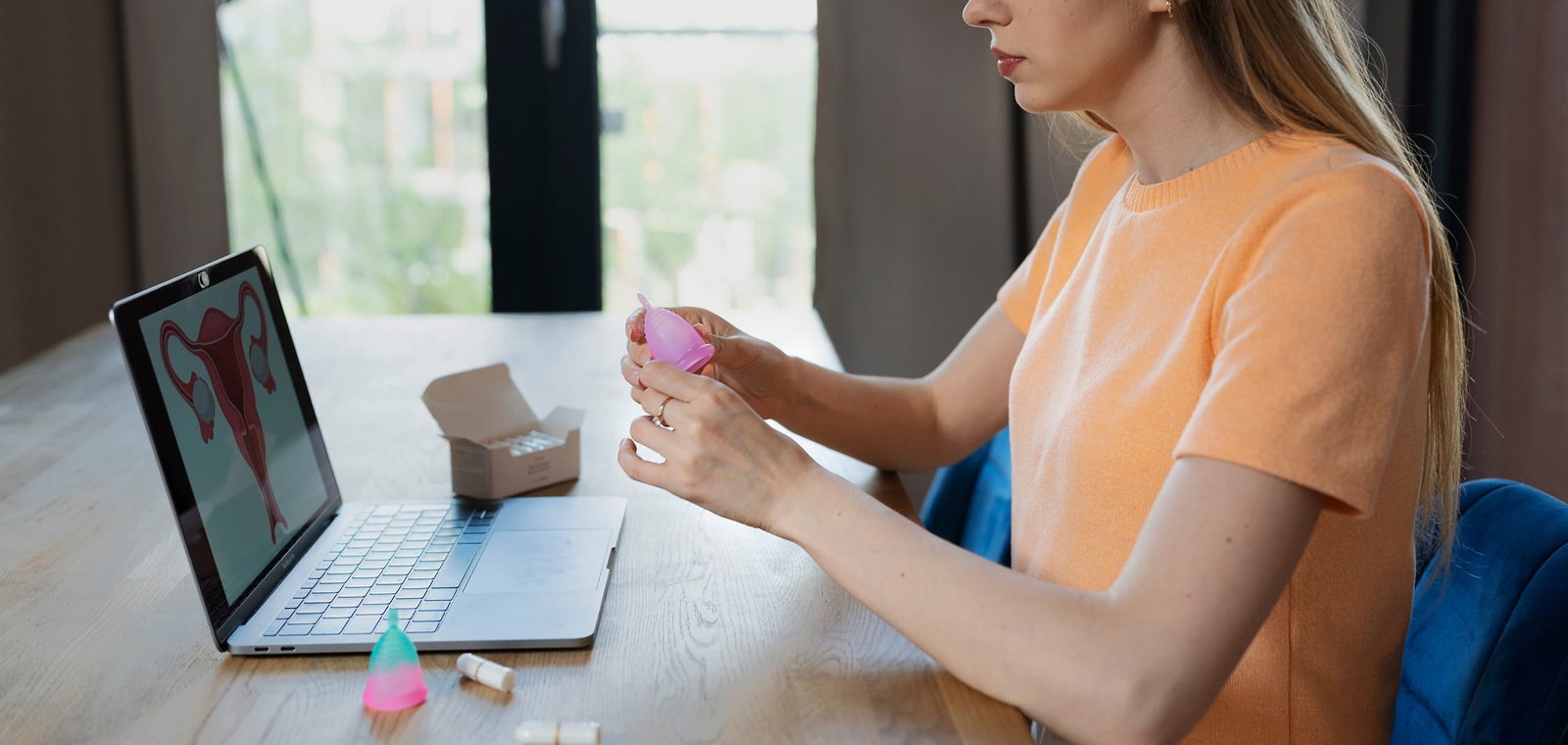
Structured, at-home hormone tracking that complements your care at LUNA
Between clinic visits, a lot can happen with your cycle, and if you’re using an at-home hormone-tracking device like MIRA, you may already have more data than you know what to do with. Raw readings on their own don’t tell you what to actually do with them.
Our At-Home Hormone Monitoring support helps you interpret MIRA readings alongside your clinical investigations at LUNA, so day-by-day data from home and in-clinic testing work together, rather than sitting in two separate places.
An independent view — not a MIRA partnership
LUNA is not affiliated with, sponsored by, or a reseller of MIRA. We don’t sell the device, and we’re not repeating any of the manufacturer’s own marketing claims about its accuracy or outcomes here. What we offer is independent clinical interpretation: if you already use, or are considering, an at-home device like MIRA, we can help you understand what your readings do and don’t mean alongside your wider care.
This may be for you if:
You're using, or considering, an at-home hormone-monitoring device such as MIRA
You're managing PCOS and want a clearer day-by-day picture of your cycle
You're undergoing ovulation induction and want more frequent data between clinic visits
You're in perimenopause and want to track your hormone pattern more closely
You don’t have to make sense of at-home readings on your own — they mean more with the right clinical context around them.
MIRA is a consumer, at-home hormone-monitoring system made up of a handheld reader and disposable test wands. Rather than a blood draw, you collect a small urine sample on a test wand, which is then scanned by the reader. It uses fluorescence-based technology — tagging hormone metabolites with a marker and measuring the light signal this produces — a similar principle to the immunoassay methods used in laboratory hormone testing, adapted here for frequent, repeatable use at home.
Depending on the kit, it measures LH, the oestrogen metabolite E3G, the progesterone metabolite PdG, and FSH, and can be used daily across your cycle. The clinical value isn’t in any single reading — it’s in the pattern over time. A blood test gives you one time-point; daily at-home readings can show the shape of your LH surge, roughly when ovulation is occurring, and whether your luteal-phase progesterone rises as expected — a picture a single clinic visit alone can’t capture. We can help you interpret this pattern alongside your clinic-based ultrasound and blood testing, as part of your wider LUNA care.

What's included:
Guidance on interpreting your at-home hormone readings
Integration of your readings with clinic-based ultrasound and blood testing
Clear explanation of what your data does and doesn't tell you
Ongoing support as your monitoring continues between appointments
Clinical value & benefits
Frequent, longitudinal data between clinic appointments, rather than a single snapshot
Can help show the pattern and timing of your LH surge and luteal-phase progesterone rise
A useful adjunct during ovulation induction, for timing monitoring visits or intercourse
May help characterise irregular hormone patterns in PCOS or the shifting pattern of perimenopause
Data that complements your care, not replaces it
The value of at-home monitoring is the extra picture it gives you between appointments — but treatment decisions are always made using your full clinical picture, not a single reading in isolation. If your readings raise a question worth investigating further, we’ll always follow that up with proper clinical assessment.
Why women use this alongside their LUNA care:
Genuinely independent interpretation, with no commercial relationship to disclose
Readings understood in the context of your full clinical picture, not read alone
More frequent data between appointments, without replacing clinic-based testing
Related care
LUNA PCOS & Hormone Health
for cycle and hormone monitoring alongside PCOS care
No. LUNA is not affiliated with, sponsored by, or a reseller of MIRA. We offer independent interpretation for patients who already use, or are considering, an at-home device like this — nothing more.
Is a MIRA reading enough on its own to guide treatment?
No. At-home hormone readings are a useful additional data point between appointments, but treatment decisions are always made using your full clinical picture, including in-clinic ultrasound and blood testing.
Do I need to buy a MIRA device before booking this?
Not necessarily — if you’re considering one, we can talk through whether it’s likely to be useful for your specific situation before you decide.
How accurate is at-home hormone monitoring?
We won’t repeat manufacturer marketing claims here, and we’d encourage healthy scepticism of any specific accuracy figures you’ve seen quoted. What we can tell you is how we use these readings clinically: as one additional data point, always read alongside your in-clinic investigations, never in place of them.
What conditions is this most useful for?
It’s most often used during ovulation induction, PCOS cycle tracking, and perimenopause, where more frequent data between appointments can add real value to your wider assessment.
Get an honest, independent read on your data.
Book your At-Home Hormone Monitoring consultation today.