Specialist surgical assessment for gynaecological conditions affecting fertility or reproductive health
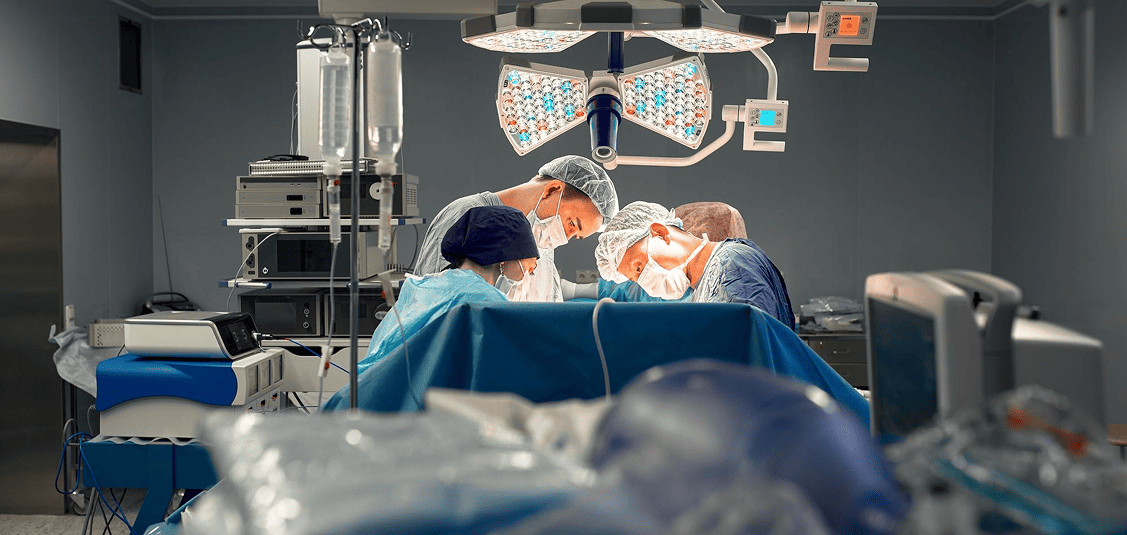
When surgery genuinely is the right option, for fibroids, endometriosis, uterine-cavity abnormalities or other conditions, it should be planned around your reproductive goals from the very first conversation, not decided on and explained to you afterwards.
Our Reproductive Surgery service brings together specialist surgical assessment with a clear focus on fertility and long-term reproductive health, considering minimally invasive options wherever appropriate, and involving you fully in every decision about your own body.
Being told you need surgery doesn’t mean your fertility preferences stop mattering — they should shape the plan.
We start with a full review of your diagnosis and imaging, then talk through every surgical and non-surgical option realistically available, always with your fertility plans and personal priorities explicit in that conversation. Where surgery is appropriate, we consider minimally invasive approaches wherever they’re clinically suitable, aiming to preserve fertility and reduce recovery time without compromising the outcome you need.
Recovery and follow-up matter as much as the procedure itself — we stay involved after surgery to monitor your recovery, discuss any findings in detail, and support your next steps, whether that’s trying to conceive, further treatment, or simply moving forward.
or the wider assessment endometriosis surgery may follow
This depends entirely on the procedure and condition involved — some surgery protects or improves fertility, while other procedures carry some risk to it. We’ll explain this specifically for your situation before you decide anything.
Minimally invasive approaches use smaller incisions or a camera-guided technique, generally meaning faster recovery and less scarring. Not every procedure is suitable for a minimally invasive approach, and we’ll explain why if that’s the case for you.
Yes — a second opinion on a recommended procedure is one of the most common reasons women come to this clinic, and it’s always a reasonable thing to want before major surgery.
This depends on the specific procedure, and we’ll give you clear, individual guidance on timing as part of your surgical plan.
This includes fibroids, endometriosis, uterine-cavity abnormalities and selected tubal pathology, assessed and managed with your reproductive goals as a central part of the plan.
Book your Reproductive Surgery consultation and be part of every decision.