What Is PCOS in Women A Simple Guide

What Is PCOS in Women? A Simple Guide

Many women hear about PCOS but are not fully sure what it actually means or how it affects the body. In simple terms, it is a common hormonal condition that can influence a woman’s menstrual cycle, skin, weight, fertility, and overall health.

In some cases, getting proper medical advice from a top PCOS treatment clinic can make diagnosis and management much easier.

One of the most important things to know is that this condition is manageable. With the right understanding, lifestyle changes, and medical support, many women live healthy and normal lives.

In this guide, we will explain everything clearly and simply—from what PCOS is, to its symptoms, causes, diagnosis, and treatment options.

Table of Contents

What Does PCOS Stand For?

PCOS stands for Polycystic Ovary Syndrome. In medical terms, it is known as Polycystic Ovary Syndrome.

Let’s break it down:

  • Poly means many
  • Cystic refers to small fluid-filled sacs (cysts)
  • Ovary refers to the female reproductive organs
  • Syndrome means a group of symptoms that happen together

So, PCOS is a condition where a woman’s ovaries may develop multiple small cysts and hormone levels become unbalanced.

However, not every woman with PCOS will have cysts, and the condition can vary from person to person.

Why PCOS Is a Common Women’s Health Condition?

PCOS is one of the most common hormonal conditions affecting women of reproductive age. Many women may have it without even knowing, especially in the early stages.

It is common because:

  • Hormonal imbalance is widespread in modern lifestyles
  • Genetics can play a role
  • Stress, diet, and lifestyle can influence symptoms
  • It often develops during teenage years or early adulthood

Despite being common, it is often underdiagnosed because symptoms can be mild or mistaken for normal hormonal changes.

How PCOS Can Affect Different Areas of Health?

PCOS is not just about irregular periods. It can affect multiple parts of the body because hormones play a major role in overall health.

Some key areas it can impact include:

  • Reproductive system – irregular or missed periods
  • Metabolism – weight gain or difficulty losing weight
  • Skin health – acne or oily skin
  • Hair growth – excess facial or body hair
  • Emotional health – anxiety or mood changes

Because of this wide impact, it is considered a whole-body condition, not just a reproductive issue.

Common Symptoms of PCOS in Women

Symptoms of PCOS can vary from mild to severe. Some women experience only a few symptoms, while others may have many.

Common signs include:

  • Irregular or missed periods
  • Heavy or unpredictable menstrual cycles
  • Difficulty getting pregnant
  • Weight gain, especially around the abdomen
  • Excess hair growth on face, chest, or back (hirsutism)
  • Acne or oily skin
  • Thinning hair on the scalp
  • Dark patches of skin, especially around the neck or underarms

It is important to note that not every woman will have all these symptoms. Even having a few can indicate PCOS.
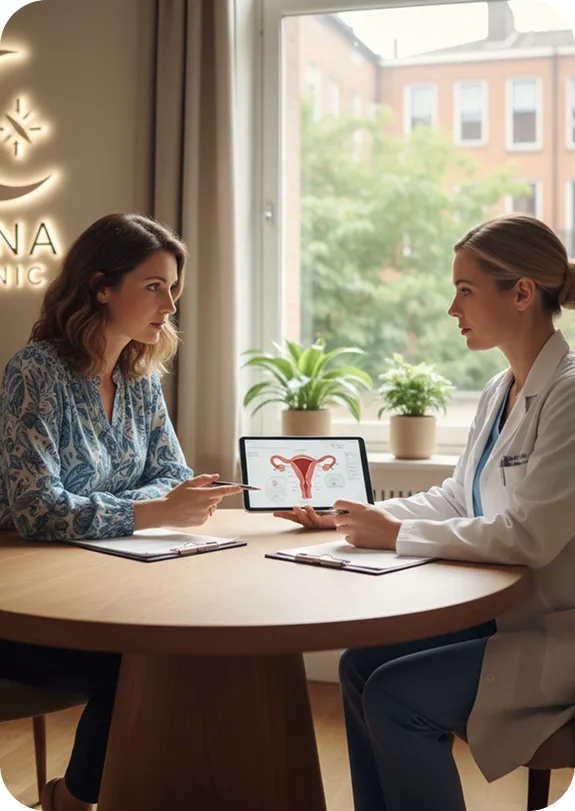
Common Symptoms of PCOS in Women

What Causes PCOS?

The exact cause of Polycystic Ovary Syndrome is not fully known, but it is usually linked to a combination of factors working together in the body.

Common causes and contributing factors include:

  • Hormonal imbalance – Higher levels of androgens (male hormones) can disrupt normal ovulation and lead to symptoms like irregular periods, acne, and excess hair growth.
  • Insulin resistance – When the body doesn’t use insulin properly, it can increase hormone imbalance and make weight gain more likely.
  • Genetics – PCOS often runs in families, so a woman may be more likely to develop it if her mother or sister has the condition.
  • Lifestyle and environmental factors – Stress, poor diet, and lack of physical activity may worsen symptoms, even if they are not the direct cause.

In most cases, PCOS develops due to a mix of these factors rather than a single clear reason.

How PCOS Is Diagnosed

There is no single test for PCOS. The best gynaecology clinic usually diagnoses it based on symptoms, blood tests, and ultrasound results.

A diagnosis may include:

  • Medical history and symptom review
  • Blood tests to check hormone levels
  • Pelvic ultrasound to look at the ovaries
  • Checking menstrual cycle patterns

Top fertility sepcialist Doctors usually follow a set of criteria that includes at least two of the following:

  • Irregular ovulation
  • High androgen levels
  • Polycystic ovaries seen on ultrasound

PCOS and Fertility

One of the biggest concerns for many women is fertility. PCOS can affect ovulation, which means the ovaries may not release eggs regularly.

This can make it harder to get pregnant, but it does NOT mean pregnancy is impossible.

With proper treatment and care, many women with PCOS successfully conceive. Treatments may include:

  • Lifestyle changes
  • Medications to regulate ovulation
  • Fertility support if needed

Early diagnosis can greatly improve fertility outcomes.

PCOS Treatment Options

Treatment for Polycystic Ovary Syndrome is not one-size-fits-all. It mainly focuses on managing symptoms, balancing hormones, and improving overall health.

Common treatment options include:

  • Medications for hormonal balance – Birth control pills are often used to regulate menstrual cycles and reduce symptoms like acne and excess hair growth.
  • Insulin-sensitizing medicines – In some cases, doctors prescribe medication to help the body use insulin better and improve hormone balance.
  • Fertility treatments – If pregnancy is the goal, certain medicines can help stimulate ovulation and improve chances of conception.
  • Lifestyle changes – Regular exercise, a balanced diet, and weight management can significantly reduce symptoms and improve overall hormone health.
  • Skin and hair treatments – Dermatological care may be recommended for acne or unwanted hair growth.

Most women with PCOS see the best results when medical treatment is combined with healthy lifestyle changes.

Best Diet and Lifestyle Tips for PCOS Management

Managing Polycystic Ovary Syndrome becomes easier when you follow simple, healthy daily habits. Small changes can really help with symptoms like weight gain, irregular periods, and low energy.

Here are easy tips to follow:

  • Eat healthy, simple foods – Include vegetables, fruits, whole grains, and protein in your meals.
  • Avoid too much sugar and junk food – This helps keep hormones and blood sugar more stable.
  • Choose slow-digesting foods – Like oats, brown rice, lentils, and beans.
  • Stay active every day – Even walking for 20–30 minutes can help a lot.
  • Keep a healthy weight (if needed) – Even a small reduction can improve symptoms.
  • Reduce stress – Try good sleep, relaxation, or light exercise like yoga.

With regular habits, many women notice better energy, improved cycles, and fewer symptoms over time.

Final Thoughts

Polycystic Ovary Syndrome is a common hormonal condition that affects many women around the world. While it can cause symptoms like irregular periods, weight gain, acne, and infertility challenges, it is manageable with the right care.

Understanding the condition is the first step toward control. With proper diagnosis, medical support, healthy lifestyle changes, and emotional awareness, women with PCOS can lead healthy, balanced, and fulfilling lives.

The key message is simple: PCOS is manageable, and support is always available.