
What Is Recurrent Miscarriage? Causes and Symptoms Explained

What Is Recurrent Miscarriage? Causes and Symptoms Explained

Having a miscarriage is already very painful. When it happens more than once, it can feel confusing, stressful, and emotionally exhausting. Many couples start asking, “Why is this happening again?”

Recurrent miscarriage means having two or more pregnancy losses. It can feel scary when there is no clear reason. But in many cases, doctors can find the cause and suggest helpful treatments, especially when guided by a top recurrent miscarriage treatment clinic with proper diagnostic support.

In this guide, you’ll get a simple and clear explanation of what recurrent miscarriage is, why it happens, its symptoms, and what you can do next. Everything is explained easily so you can understand it without stress or confusion.

Table of Contents

Understanding Recurrent Miscarriage

Recurrent miscarriage is not just a one-time event. It is when pregnancy loss happens more than once, often in a repeated pattern over time.

Most miscarriages happen very early, sometimes before a woman even realizes she is pregnant.

It is important to know that this is not usually caused by anything the woman did. In many cases, it is linked to medical, genetic, or physical conditions that are outside personal control.

Doctors usually start investigating after two or more miscarriages. The goal is to find the possible cause and guide treatment that can improve the chances of a healthy pregnancy in the future.


Common Causes of Recurrent Miscarriage​

There is no single reason why recurrent miscarriage happens. It can be caused by several factors working alone or together.

1. Genetic and Chromosomal Causes

One common cause is problems in the baby’s chromosomes. This means the embryo may have missing, extra, or damaged genetic material, which stops normal development.

Sometimes, one parent may carry a hidden chromosomal issue without any symptoms. Even then, it can affect the pregnancy and lead to repeated miscarriage.

2. Hormonal and Endocrine Causes

Hormones help support a healthy pregnancy. If they are not balanced, the risk of miscarriage increases.

Conditions linked to this include thyroid problems, PCOS, low progesterone, and uncontrolled diabetes. These can affect the uterus lining and early pregnancy growth.

3. Uterine and Structural Abnormalities

The shape of the uterus can also affect pregnancy. If there are structural issues, it may be harder for the embryo to grow properly.

Examples include a septate uterus, fibroids, scar tissue, or birth-related uterine abnormalities. These can make implantation difficult or unsafe.

4. Immune System and Blood Clotting Disorders

Sometimes, the immune system may wrongly attack the pregnancy, treating it as something harmful.

Blood clotting disorders like antiphospholipid syndrome can also reduce blood flow to the placenta, affecting the baby’s oxygen and nutrition. Many of these conditions can be treated once diagnosed.

5. Lifestyle and Environmental Factors

Certain lifestyle habits can also increase the risk of miscarriage, especially when combined with medical issues.

These include smoking, alcohol use, too much caffeine, poor sleep, high stress, exposure to chemicals, and unhealthy weight. While not always the main cause, they can make the risk higher.   

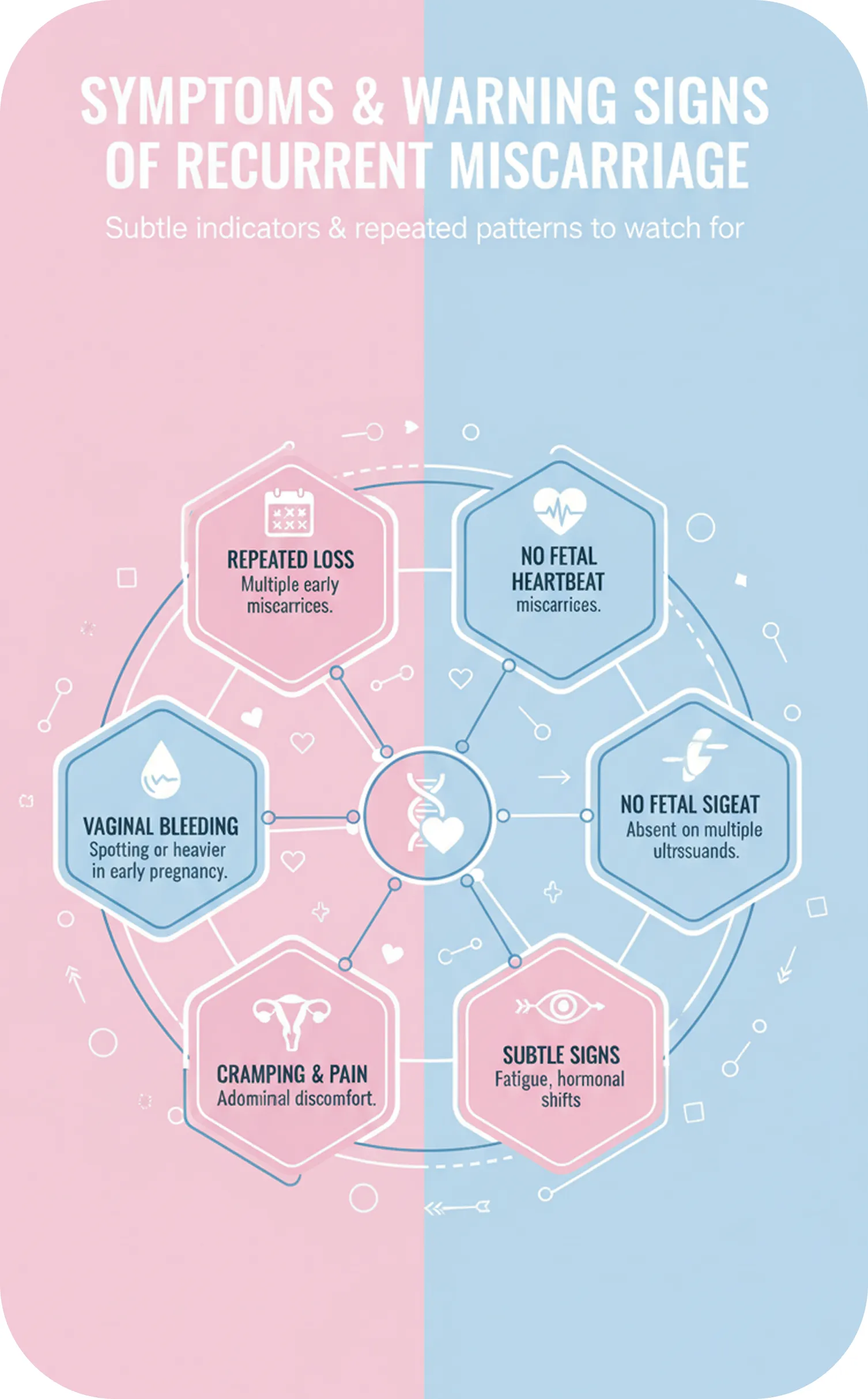
Symptoms and Warning Signs of Recurrent Miscarriage

The symptoms of recurrent miscarriage are often similar to those of a single miscarriage, but the repeated pattern is what defines the condition.

1. Repeated Early Pregnancy Loss

The main sign of recurrent miscarriage is having two or more pregnancy losses in a row. This usually happens before 12–20 weeks of pregnancy and can be emotionally and physically distressing.

When this pattern repeats, it is important to seek medical evaluation to understand the possible cause and get proper guidance for future pregnancies.

2. Vaginal Bleeding in Early Pregnancy

Bleeding in early pregnancy can be a warning sign of a possible miscarriage. It may appear as light spotting or heavier bleeding.

However, not all bleeding means pregnancy loss, so it is always important to get it checked by a fertility clinic for proper assessment and reassurance.

3. Cramping and Abdominal Pain

Strong or ongoing cramps in the lower abdomen or back pain can be a sign that something is not progressing normally in early pregnancy.

These symptoms should not be ignored, especially if they happen along with bleeding or other changes, and medical advice should be sought.

4. No Fetal Heartbeat on Ultrasound (Repeated Cases)

4. No Fetal Heartbeat on Ultrasound (Repeated Cases)

In some cases, ultrasound scans may show no fetal heartbeat or stopped development in more than one pregnancy. This is an important medical sign that requires further investigation.

Repeated findings like this can help doctors identify underlying causes and plan the right treatment for future pregnancies.

5. Subtle Signs Women Often Overlook

Some early signs are very mild and can easily be missed, such as sudden loss of pregnancy symptoms like nausea or breast tenderness, or feeling unusually tired.

Light spotting without pain or general discomfort may also occur. Since these signs vary, regular medical check-ups from a top gynaecology clinic is very important in early pregnancy.

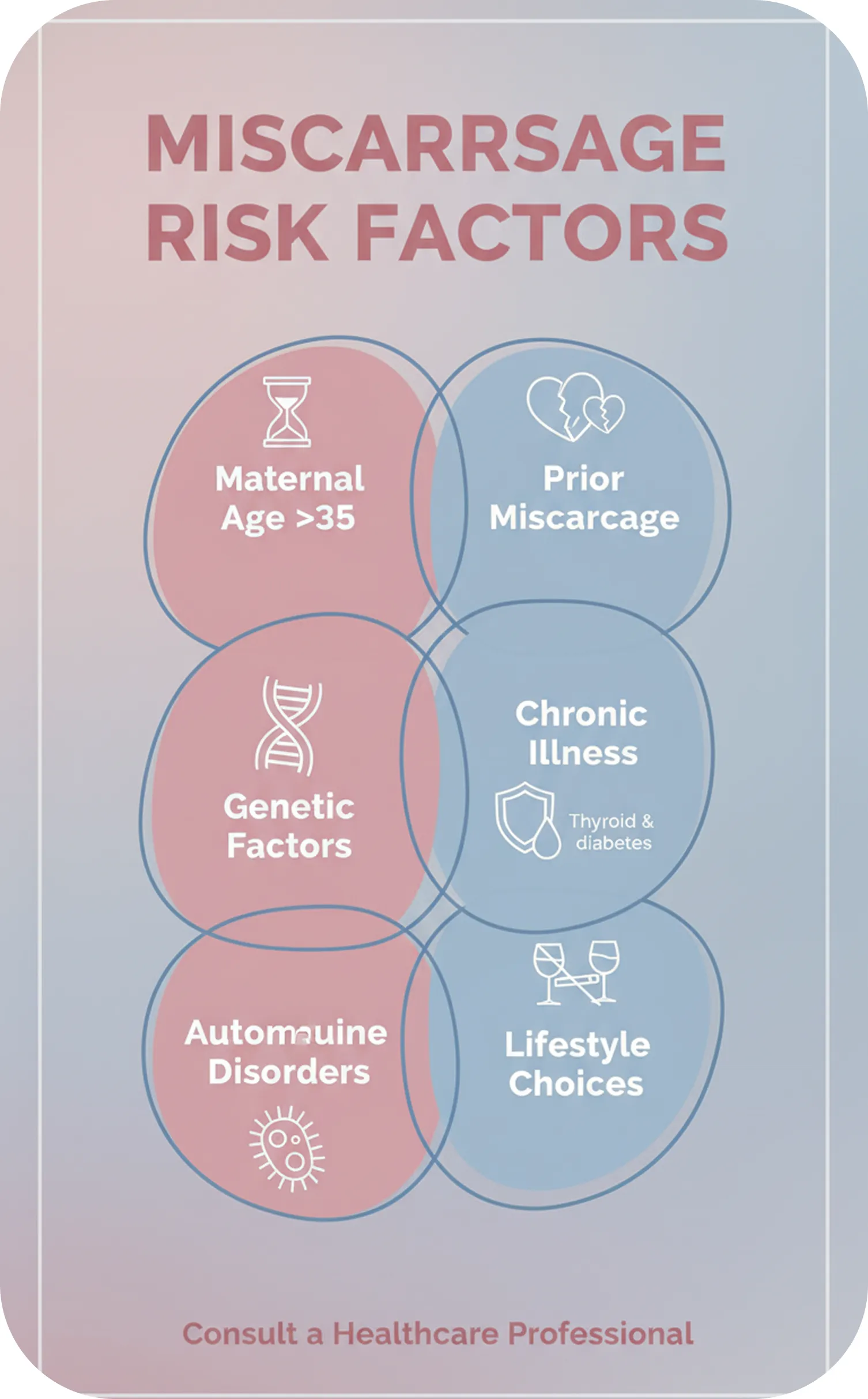
Risk Factors That Increase the Chance of Miscarriage

Certain health and personal factors can increase the risk of recurrent miscarriage. These factors do not guarantee pregnancy loss, but they may raise the chances and require closer monitoring.

Common risk factors include:

  • Being over the age of 35
  • Previous history of miscarriage
  • Family history of genetic disorders
  • Chronic conditions such as thyroid disease or diabetes
  • Autoimmune disorders
  • Lifestyle habits like smoking or alcohol use

Having one or more of these risk factors does not mean miscarriage will definitely happen.

However, it does mean that early medical guidance and regular check-ups become more important for a healthy pregnancy journey.

Risk Factors That Increase the Chance of Miscarriage
How Doctors Diagnose Recurrent Miscarriage

How Doctors Diagnose Recurrent Miscarriage

Doctors usually start by reviewing your medical history in detail and doing a physical examination. This helps them understand your pregnancy history, symptoms, and possible risk factors.

To find the cause, several fertility tests may be recommended, such as:

  • Blood tests to check hormone levels and thyroid function
  • Genetic testing for both partners
  • Ultrasound scans to examine the uterus
  • Hysteroscopy to look inside the uterus
  • Blood tests for clotting and immune system disorders

The main goal of these tests is to identify any underlying cause.

This allows doctors to suggest the most suitable treatment plan and improve the chances of a healthy pregnancy.

Treatment Options and Medical Management

Treatment depends on the underlying cause. There is no single solution for everyone, but many options exist:

With proper diagnosis and treatment, many women go on to have successful pregnancies.

Can Recurrent Miscarriage Be Prevented?

Not all cases can be prevented, especially those caused by genetic factors. However, the risk can often be reduced by:

  • Managing chronic health conditions properly
  • Maintaining a healthy weight
  • Avoiding smoking and alcohol
  • Taking prenatal vitamins with folic acid
  • Getting early medical care during pregnancy

Early consultation with a fertility specialist doctors can make a significant difference in outcomes.

Emotional and Psychological Impact

Recurrent miscarriage is not only a medical issue—it also affects emotional well-being deeply. Many women experience:

Support from family, partners, and mental health professionals can be very helpful. Counseling or support groups can also provide comfort and guidance during this difficult time.

When to See a Recurrent Miscarriage?

It is important to consult a fertility specialist if you are experiencing repeated pregnancy loss or facing difficulty in conceiving. Early medical support can help identify the cause and guide the right treatment.

You should consider seeing a specialist if:

Early evaluation can improve the chances of finding the underlying issue and increase the likelihood of a healthy future pregnancy.

When to See a Recurrent Miscarriage?

Success Rates After Recurrent Miscarriage

Many couples are surprised to learn that the chances of a successful pregnancy after recurrent miscarriage can still be high. Even without a clear cause found, studies show that a significant number of women go on to have healthy pregnancies with proper care and monitoring. Success rates improve further when a treatable cause is identified and managed correctly.

Final Thoughts

Recurrent miscarriage can be emotionally draining and medically complex, but it is not the end of the journey to parenthood. In many cases, the cause can be identified and treated successfully.

Understanding the condition, seeking timely medical advice, and following the right treatment plan can significantly improve the chances of a healthy pregnancy.

Most importantly, no one should go through this experience alone—medical support and emotional care both play a vital role in recovery and future success.