Fertility Preservation for Cancer Patients Complete Guide to Your Options Before Treatment

Fertility Preservation for Cancer Patients: Complete Guide to Your Options Before Treatment

A cancer diagnosis brings a lot of urgent decisions. Alongside treatment plans, many people quietly worry about something just as life-changing—their ability to have children in the future. This concern often comes with confusion, stress, and very little time to think clearly.

One of the biggest challenges is not knowing where to start. Patients often ask: Will my treatment affect fertility? Do I still have time to preserve it? Which option is right for me? These questions can feel overwhelming, especially when treatment needs to begin quickly.

This guide is here to make things simple. It clearly explains every fertility preservation option available before cancer treatment, so you can understand your choices, act quickly, and make confident decisions about your future.

Table of Contents

Why Cancer Treatment Threatens Fertility

Cancer treatments often target rapidly dividing cells. While this is effective against cancer, it can also harm healthy cells involved in reproduction.

  • Chemotherapy can damage eggs and sperm, reducing their number and quality.
  • Radiation therapy directed near the pelvis can affect ovaries, testes, or the uterus.
  • Surgery may involve removal of reproductive organs in some cases.

These effects are closely linked to the concept of Gonadotoxicity, which refers to the harmful impact of medical treatments on fertility.

The extent of damage depends on several factors:

  • Type and dose of treatment
  • Age of the patient
  • Overall health and reproductive baseline

Understanding these risks early allows patients to take preventive steps before treatment begins.

When Should Cancer Patients Consider Fertility Preservation?

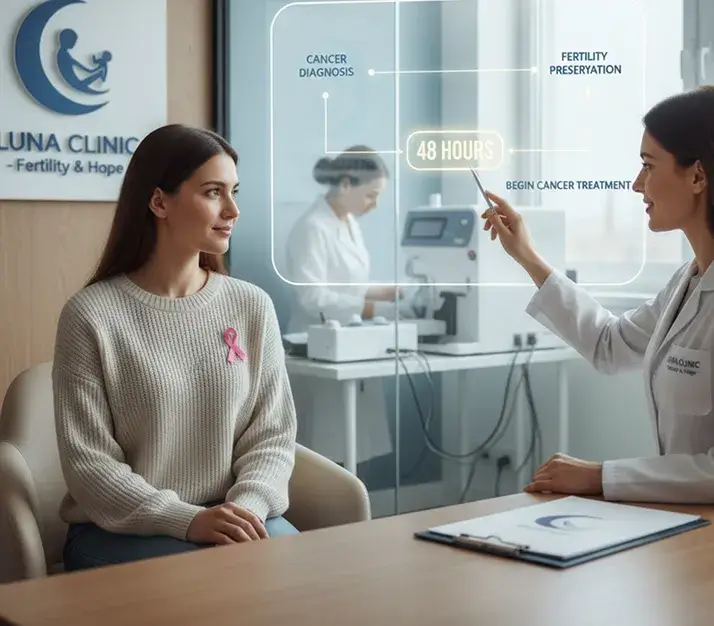
Timing is critical. Fertility preservation should ideally be discussed immediately after diagnosis and before treatment starts.

Most oncologists now recommend consulting a fertility specialist as part of the treatment planning process. This approach is part of the growing field of Oncofertility, which focuses on preserving reproductive health in cancer patients.

You should consider fertility preservation if:

  • You are of reproductive age
  • Your treatment plan includes chemotherapy or radiation
  • You may want children in the future

Even if treatment must begin soon, many preservation methods can be completed within a short time frame.

Fertility Preservation Options for Female Cancer Patients

Women and girls have several ways to protect their fertility before cancer treatment. The best option depends on how much time is available and individual needs.

1. Egg Freezing (Oocyte Cryopreservation)

Egg Freezing (Oocyte Cryopreservation) is one of the most common and trusted methods for preserving fertility.

It is ideal for women who want flexibility without needing a partner right now.

How it works:

  • Hormones help the ovaries produce multiple eggs
  • Eggs are collected and frozen for later use

Key points:

  • No partner needed
  • Takes about 10–14 days

2. Embryo Freezing (Embryo Cryopreservation)

This method is widely used and offers strong success rates for future pregnancy. It is often chosen by women who already have a partner or donor sperm available.

How it works:

  • Eggs are collected and fertilized with sperm
  • Embryos are frozen for future use

Key points:

  • Higher success rates
  • Requires sperm (partner or donor)

3. Ovarian Tissue Freezing (Ovarian Tissue Cryopreservation)

This is a newer option that works well when there is very little time before treatment. It does not require hormone stimulation, making it suitable for urgent cases.

How it works:

  • A small piece of ovarian tissue is removed and frozen
  • It can be re-implanted later

Key points:

  • Fast option, no hormones needed
  • Still considered newer
Ovarian Tissue Freezing (Ovarian Tissue Cryopreservation)

Ovarian Suppression During Chemotherapy

This method is used during cancer treatment to try to protect the ovaries. It is usually combined with other fertility preservation options for better results.

How it works:

  • Hormone injections temporarily pause ovarian function
  • Aims to reduce damage from chemotherapy

Key points:

  • No surgery required
  • Not fully reliable on its own

Fertility Preservation Options for Male Cancer Patients

Fertility preservation for men is usually quicker and simpler than for women. This makes it easier to complete before starting cancer treatment, even when time is limited.

Sperm Banking (Sperm Cryopreservation)

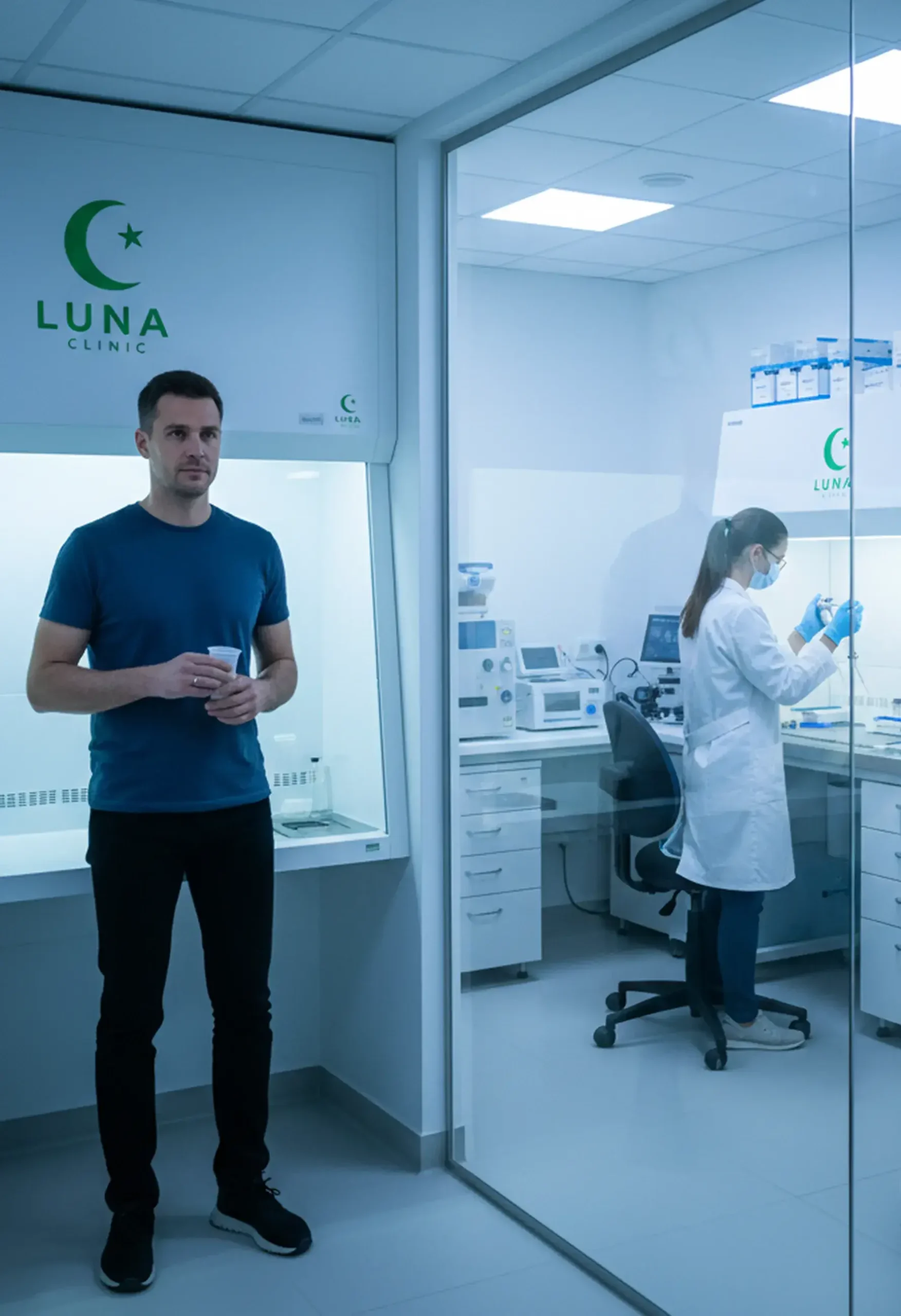
Sperm Banking (Sperm Cryopreservation) is the most common and reliable method for preserving male fertility. It is widely used because it is simple and can be done quickly before treatment begins.

How it works:

  • A semen sample is collected
  • Sperm is frozen and stored for future use

Key benefits:

  • Quick and non-invasive
  • Highly effective for future fertility
  • Can be done more than once if time allows

Things to know:

  • Requires ability to produce a sample
  • Quality depends on overall health at the time

Testicular Tissue Freezing (Testicular Tissue Cryopreservation)

This option is mainly designed for boys who have not yet started producing sperm. It is still developing but offers an important future possibility for fertility preservation.

How it works:

  • Small tissue containing sperm-producing cells is removed
  • Tissue is frozen for possible future use

Key benefits:

  • Only option for prepubescent boys
  • Can be done before cancer treatment starts

Things to know:

  • Still considered experimental
  • No guaranteed success yet

Fertility Preservation in Children and Adolescents with Cancer

Preserving fertility in younger patients presents unique challenges.

These individuals may not yet produce mature eggs or sperm, limiting available options.

For girls, ovarian tissue freezing may be considered. For boys, testicular tissue freezing is the primary option.

Decisions often involve parents or guardians and require careful discussion with medical teams.

Emotional support is also critical, as these decisions can feel overwhelming at a young age.

How Fast Can Fertility Preservation Be Done Before Cancer Treatment?

How Fast Can Fertility Preservation Be Done Before Cancer Treatment?

Speed is often a major concern.

Fortunately, many fertility preservation methods are designed to fit within tight timelines.

  • Egg and embryo freezing typically take 10–14 days
  • Sperm banking can be completed in 1–2 days
  • Tissue freezing procedures can often be done immediately

Advances in reproductive medicine now allow for random-start ovarian stimulation, meaning treatment can begin at any point in the menstrual cycle. This significantly reduces delays.

Success Rates of Fertility Preservation for Cancer Patients

Success rates vary depending on the method used and individual factors.

  • Egg and embryo freezing success is strongly linked to age
  • Sperm freezing has high success rates when sperm quality is good
  • Tissue freezing outcomes are improving but still evolving

The success of these methods is closely tied to techniques like In Vitro Fertilization, which is often used when patients are ready to conceive.

While no method guarantees pregnancy, many patients go on to have successful outcomes.

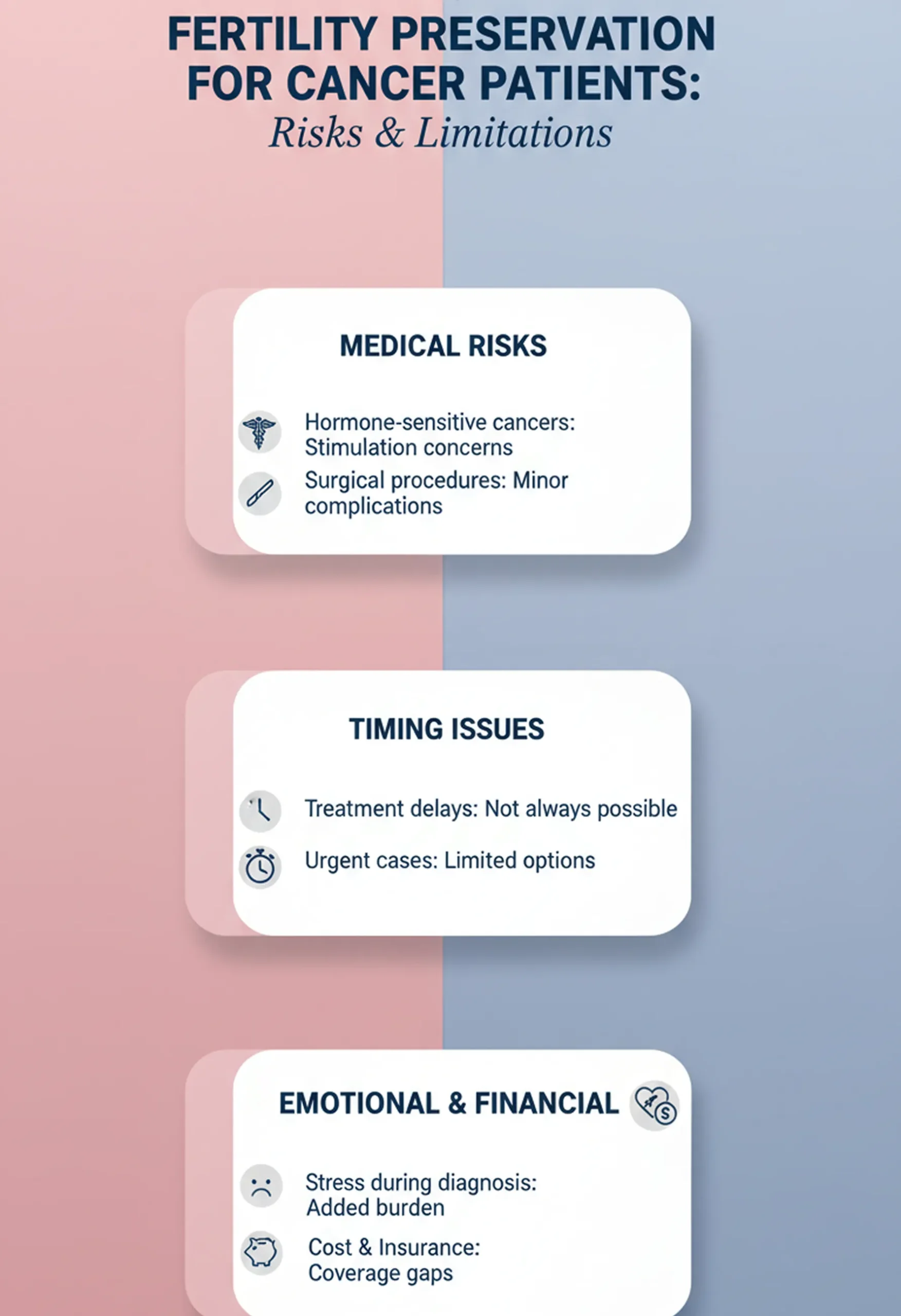
Risks and Limitations Specific to Cancer Patients

Risks and Limitations Specific to Cancer Patients

Fertility preservation is not without challenges, especially for cancer patients.

Medical risks:

  • Hormonal stimulation may not be suitable for hormone-sensitive cancers
  • Surgical procedures carry minor risks

Timing issues:

  • Some patients cannot delay treatment
  • Urgent cases may limit available options

Emotional and financial factors:

  • Stress during diagnosis
  • Costs may not always be covered by insurance

It’s important to weigh these factors carefully with your medical team.

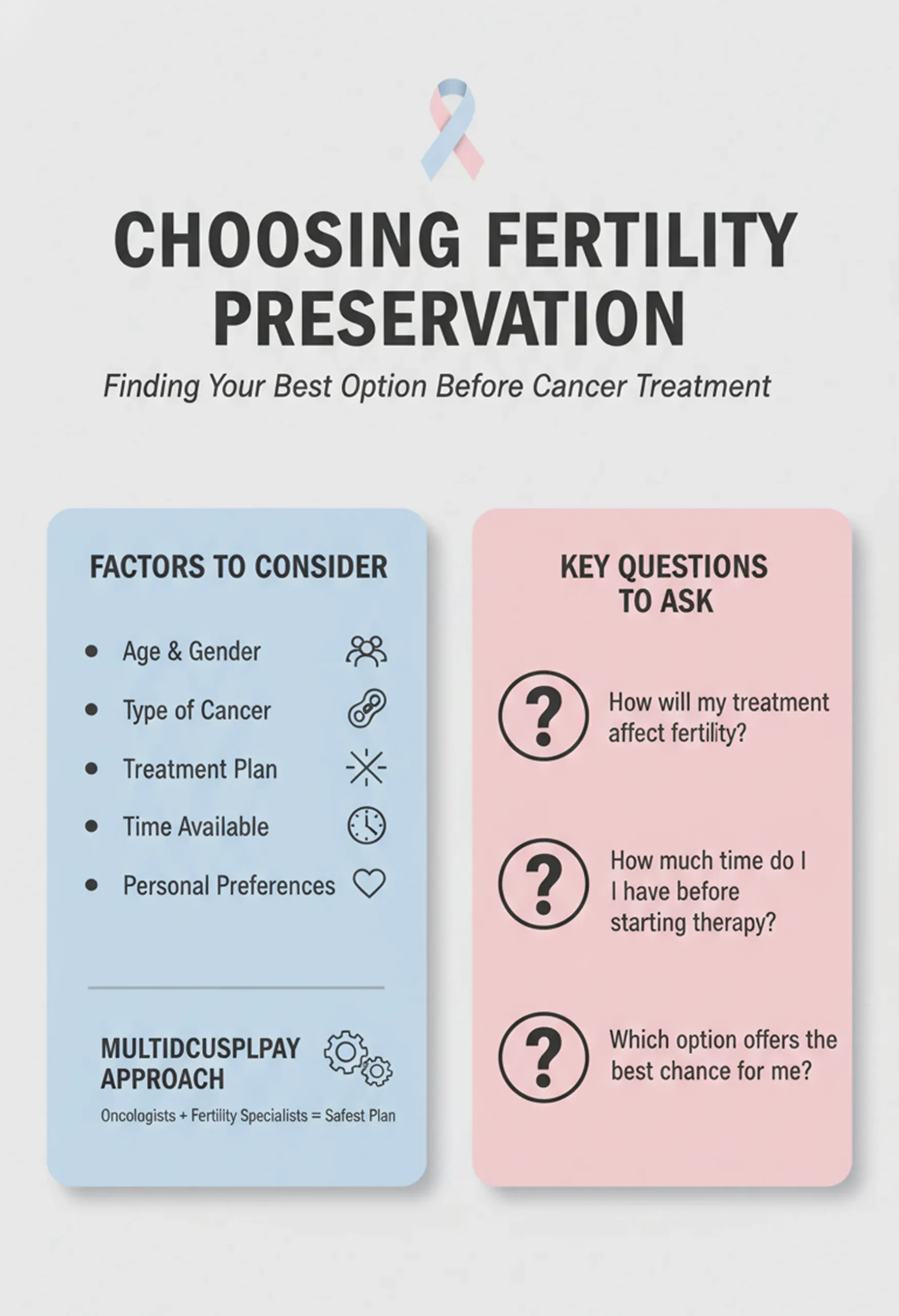
Choosing the Best Fertility Preservation Option Before Treatment

There is no one-size-fits-all solution. The best option depends on:

  • Age and gender
  • Type of cancer
  • Treatment plan
  • Time available
  • Personal preferences

A multidisciplinary approach, combining oncologists and fertility specialists to ensure a safest and most effective plan.

Ask clear questions such as:

  • How will my treatment affect fertility?
  • How much time do I have before starting therapy?
  • Which option offers the best chance for me?
Choosing the Best Fertility Preservation Option Before Treatment

Advances in Oncofertility and Future Possibilities

The field of Oncofertility continues to evolve rapidly.

Emerging innovations include:

  • Improved tissue freezing techniques
  • Artificial ovaries
  • Stem cell-based fertility restoration

Researchers are also exploring ways to protect reproductive cells during treatment, reducing the need for preservation altogether.

These advances offer hope for patients who currently have limited options.

Conclusion

Fertility preservation is a powerful opportunity for cancer patients who want to keep the option of having children in the future.

While cancer treatment may pose serious risks to reproductive health, modern medicine provides multiple ways to safeguard fertility.

The key is early action. Discuss your options as soon as possible after diagnosis, and involve both your oncology and fertility teams in the decision-making process.

Every patient’s situation is unique, but with the right information and support, it is possible to make informed choices that protect both your health and your future family plans.