
10 Reasons Why Infertility Is Becoming More Common in London

10 Reasons Why Infertility Is Becoming More Common in London

Infertility is becoming more common among couples in modern cities, and the trend is clearly visible in London. Many people assume fertility problems are rare, but in reality, a growing number of couples face difficulties when trying to conceive.

The reasons are not simple or single-factor based. Instead, infertility is shaped by a combination of lifestyle choices, environmental exposure, medical conditions, and delayed family planning.

Below are the 10 key reasons behind rising infertility in London, explained in a clear and structured way.

Table of Contents

Reasons Behind Rising Infertility in London

Infertility is becoming more common in modern cities like London. It is usually not caused by one issue, but a mix of lifestyle, environmental, and medical factors that build up over time and affect both men and women.

  • Delayed parenthood and late family planning
  • High stress and urban lifestyle pressure
  • Air pollution and environmental toxins
  • Poor diet and nutrition
  • Obesity and lack of physical activity
  • Smoking, alcohol, and substance use
  • PCOS and hormonal disorders
  • Declining sperm quality in men
  • Sexually transmitted infections (STIs)
  • Late fertility awareness and delayed diagnosis

Each factor contributes in a different way, but together they significantly increase fertility challenges. Now, let’s look at each reason in detail.

1. Delayed Parenthood and Late Family Planning

Many couples now choose to focus on careers, education, and financial stability before starting a family.

While this is understandable, fertility naturally declines with age.

  • Women experience reduced egg quality after their mid-30s
  • Men may also face a gradual decline in sperm quality
  • Conception becomes more difficult the longer pregnancy is delayed

This is one of the most significant reasons for infertility today.

2. High Stress Levels and Urban Lifestyle Pressure

Life in London is fast-paced and often stressful. Work pressure, financial responsibilities, and long commutes all contribute to chronic stress.

  • Stress can disrupt hormonal balance
  • It may interfere with ovulation in women
  • It can reduce testosterone and sperm production in men

Over time, this affects natural fertility without obvious early signs.

Delayed Parenthood and High Stress Levels

3. Air Pollution and Environmental Toxins

Urban living also means exposure to pollution and environmental chemicals.

  • Traffic-related air pollution increases oxidative stress
  • Toxins may affect egg and sperm quality
  • Long-term exposure can disturb hormonal balance

These factors silently impact reproductive health over time.

4. Unhealthy Diet and Poor Nutrition

Diet plays a major role in reproductive health, but modern eating habits are often inconsistent.

Common issues include:

  • High intake of processed and fast foods
  • Low consumption of fresh fruits and vegetables
  • Deficiency in essential nutrients like zinc, iron, and folic acid

Poor nutrition can reduce fertility in both men and women.

5. Obesity and Sedentary Lifestyle

A lack of physical activity combined with unhealthy eating has increased obesity rates.

Effects on fertility include:

  • Hormonal imbalance in women
  • Irregular menstrual cycles
  • Reduced sperm quality in men

At the same time, being underweight can also negatively affect reproductive health.

6. Smoking, Alcohol, and Substance Use

Lifestyle habits continue to play a major role in fertility decline.

  • Smoking damages egg and sperm cells
  • Alcohol affects hormone regulation
  • Substance use may reduce reproductive function significantly

Even moderate long-term use can lower fertility chances.

Smoking, Alcohol, and Substance Use

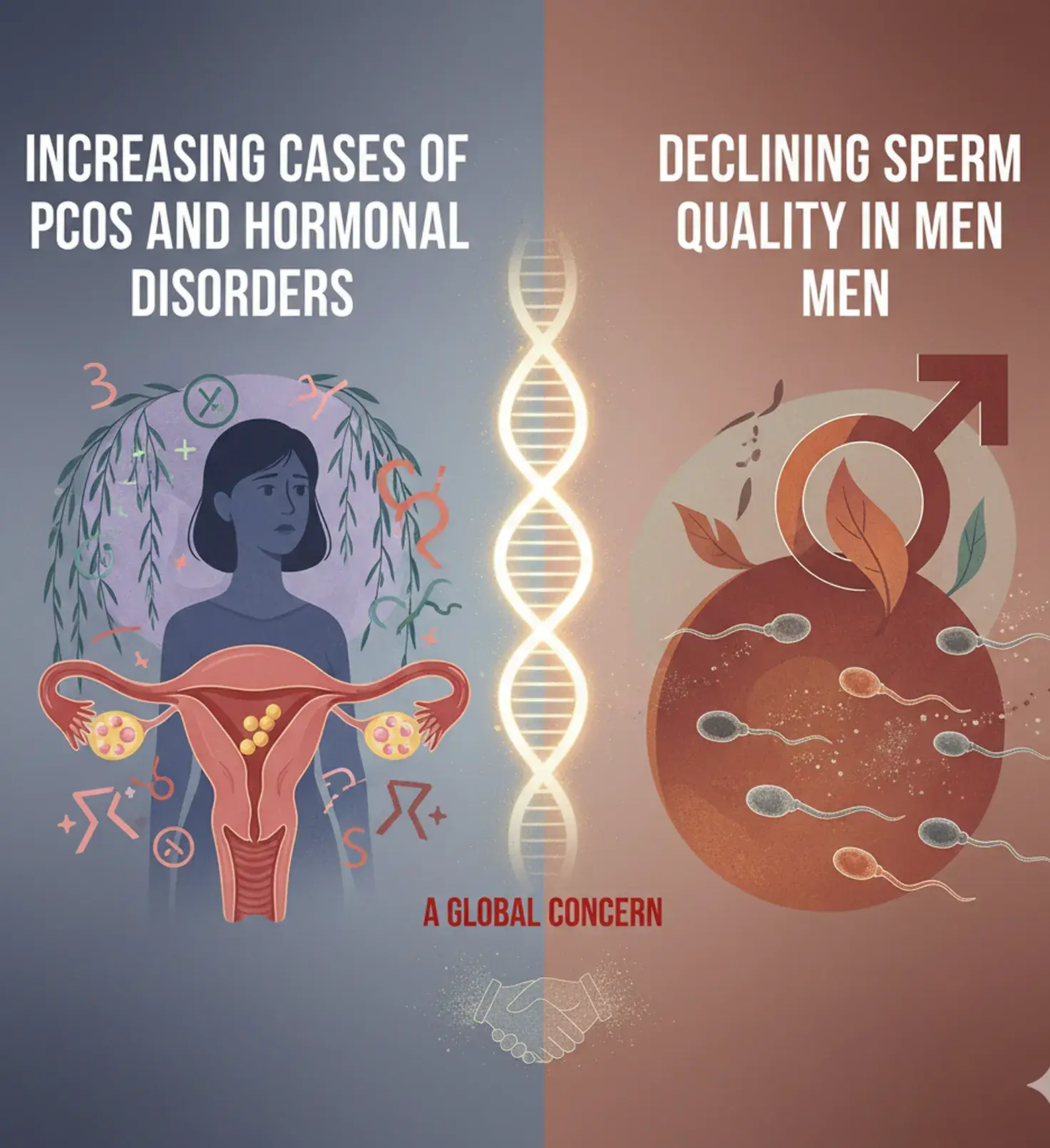
7. Increasing Cases of PCOS and Hormonal Disorders

Hormonal imbalances are becoming more common, especially among women. Frequent conditions include:

These conditions can make conception more difficult but are often manageable with treatment.

8. Declining Sperm Quality in Men

Male fertility is equally important, yet often overlooked. Common concerns include:

  • Lower sperm count
  • Reduced sperm motility
  • Poor sperm morphology

Contributing factors include stress, lifestyle habits, and environmental exposure.

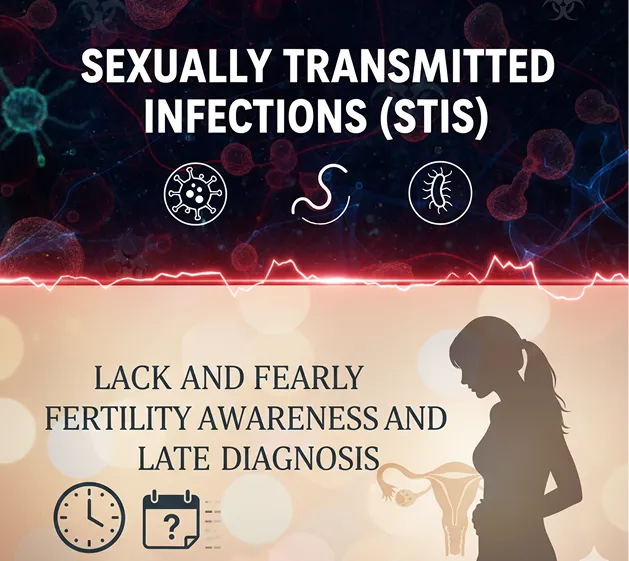
9. Sexually Transmitted Infections (STIs)

Some infections can silently affect reproductive organs if not treated early.

  • Chlamydia and gonorrhea can cause internal scarring
  • Tubal damage may block natural conception in women
  • Infections can also affect sperm health in men

Early detection is crucial, as symptoms are often mild or unnoticed.

10. Lack of Early Fertility Awareness and Late Diagnosis

Many couples do not seek help early enough. Common delays include:

  • Ignoring irregular menstrual cycles
  • Waiting too long before testing fertility
  • Lack of awareness about age-related fertility decline

Early evaluation can significantly improve treatment success.

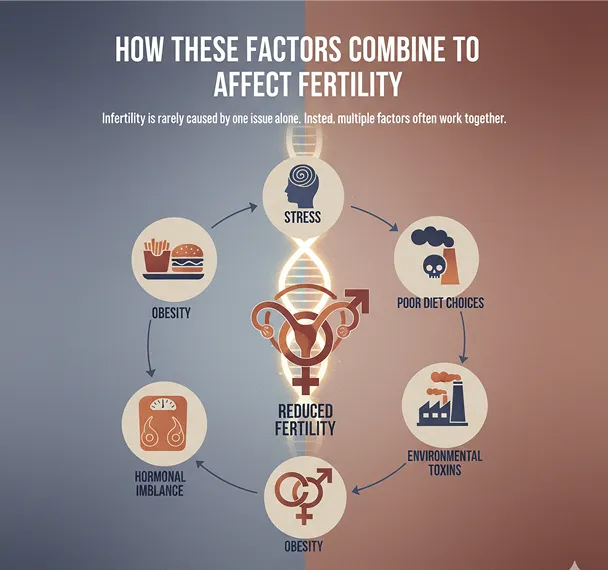
How These Factors Combine to Affect Fertility

How These Factors Combine to Affect Fertility

Infertility is rarely caused by one issue alone. Instead, multiple factors often work together.

For example:

  • Stress may lead to poor diet choices
  • Poor diet can contribute to obesity
  • Obesity can worsen hormonal imbalance
  • Environmental toxins may further reduce reproductive health

When combined, these factors significantly reduce natural fertility over time.

When to Seek Fertility Help in London

It is important to seek medical advice at the right time, especially if you are considering visiting a fertility clinic in London for professional guidance and early assessment.

Early support can make a significant difference in understanding the cause and improving treatment outcomes.

You should consider consulting a specialist if:

  • You have been trying to conceive for 12 months without success
  • You are over 35 and trying for 6 months without results
  • You have irregular or absent periods
  • There is a known reproductive health condition
  • There is a history of repeated miscarriage

Early support can make a major difference in treatment outcomes.

Conclusion

Infertility in London is rising due to a combination of modern lifestyle habits, medical conditions, environmental exposure, and delayed family planning. It is not caused by one single factor but rather a complex mix of influences affecting both men and women.

The positive side is that many of these factors can be identified early and managed effectively. Awareness, timely diagnosis, and lifestyle improvements play a key role in improving fertility outcomes.

Understanding these 10 reasons helps individuals make more informed decisions about their reproductive health and seek support at the right time.