Thyroid Disorders and Their Impact on Conception

Thyroid Disorders and Their Impact on Conception

Trying to conceive can be frustrating, especially when pregnancy doesn’t happen despite your efforts. Many people face irregular cycles or unexplained infertility without knowing the real cause.

In some cases, the issue may be a hidden thyroid imbalance, which is often only identified during a visit to a gynaecology clinic in London.

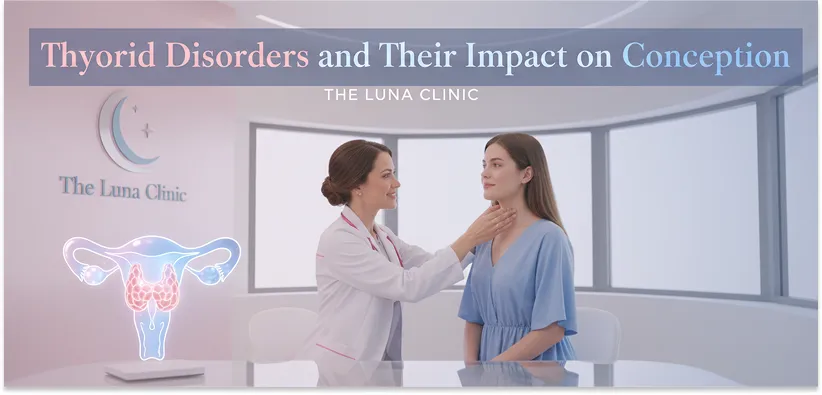
The thyroid gland plays an important role in regulating hormones that control ovulation and reproductive health. When this balance is disturbed, it can quietly affect your chances of conception.

The good news is that thyroid-related fertility issues can be identified and managed. This guide will give you a clear explanation of how thyroid disorders affect conception and what you can do to address them.

Table of Contents

Understanding the Thyroid Gland and Hormonal Regulation

The thyroid gland is a small, butterfly-shaped organ located at the base of the neck. Despite its size, it has a major influence on the body’s metabolism and hormonal balance.

It produces key hormones such as thyroxine (T4) and triiodothyronine (T3), which regulate how the body uses energy. These hormones are controlled by thyroid-stimulating hormone (TSH), released by the pituitary gland.

In reproductive health, thyroid hormones interact closely with estrogen, progesterone, and testosterone. When this balance is disrupted, it can affect ovulation, menstrual cycles, and sperm production.


Understanding the Thyroid Gland and Hormonal Regulation

Types of Thyroid Disorders That Affect Conception

Several thyroid conditions can interfere with fertility. The most common include:

  • Hypothyroidism – underactive thyroid
  • Hyperthyroidism – overactive thyroid
  • Subclinical thyroid disorders – mild or early-stage imbalances
  • Autoimmune conditions such as Hashimoto’s thyroiditis and Graves’ disease

Each condition affects the body differently, but all can disrupt the hormonal signals needed for successful conception.

1. Hypothyroidism and Fertility Challenges

Hypothyroidism occurs when the thyroid does not produce enough hormones. This slows down many bodily processes, including reproductive functions.

In women, hypothyroidism can lead to:

  • Irregular or absent menstrual cycles
  • Lack of ovulation
  • Increased levels of prolactin, which can suppress fertility

In men, it may reduce testosterone levels and impair sperm quality.

Another important factor is its effect on the uterine environment. A poorly functioning thyroid can make it harder for a fertilized egg to implant successfully.

2. Hyperthyroidism and Reproductive Health Risks

Hyperthyroidism is the opposite condition, where the thyroid produces excessive hormones. This can speed up metabolism and disrupt hormonal stability.

Common reproductive effects include:

  • Short or irregular menstrual cycles
  • Reduced egg quality
  • Increased risk of miscarriage

In men, hyperthyroidism may affect sperm motility and overall reproductive performance. If left untreated, it can significantly lower the chances of natural conception.

Hyperthyroidism and Reproductive Health Risks

3. Sub-clinical Thyroid Disorders

Structural issues in the uterus can interfere with embryo implantation or growth. Common examples include:

  • Fibroids
  • Uterine septum
  • Scar tissue (Asherman’s syndrome)

These abnormalities can reduce blood flow or space within the uterus, increasing miscarriage risk.

Diagnostic tools such as ultrasound, hysteroscopy, and MRI scans are commonly used in London to detect and correct these conditions.

How Thyroid Disorders Disrupt Female Fertility

Thyroid hormones work closely with the reproductive system. They help regulate the signals between the brain, ovaries, and uterus. 

When these hormones are too high or too low, this communication gets disrupted, making it harder for the body to support conception.

Here’s how thyroid imbalance can affect fertility in simple terms:

  • Ovulation: Hormonal imbalance can prevent the release of an egg
  • Menstrual cycle: Cycles may become irregular or unpredictable
  • Endometrial health: The uterine lining may not develop properly

In addition, thyroid disorders can increase the risk of conditions like Polycystic Ovary Syndrome, further complicating fertility.

How Thyroid Disorders Disrupt Female Fertility

Impact of Thyroid Disorders on Male Fertility

Thyroid health also plays an important role in male fertility. When hormone levels are imbalanced, it can affect overall reproductive function.

Here’s how thyroid disorders impact male fertility:

  • Sperm count: The number of sperm may decrease
  • Sperm motility: Sperm may not move effectively
  • Sperm morphology: The shape of sperm may be abnormal

Both Hypothyroidism and Hyperthyroidism can lower testosterone levels, reducing fertility. Managing thyroid health can help improve sperm quality and overall reproductive outcomes.

Thyroid Disorders and Assisted Reproductive Techniques (ART)

Thyroid health plays a crucial role in the success of assisted reproductive treatments like In Vitro Fertilization and Intracytoplasmic Sperm Injection.

Women with untreated thyroid disorders may experience:

  • Lower success rates with IVF
  • Poor embryo development
  • Higher miscarriage rates

For this reason, clinic specialised in fertility often recommend thyroid screening before starting ART. Proper management can significantly improve treatment outcomes.

Symptoms of Thyroid Imbalance Affecting Conception

Recognizing symptoms early can help prevent fertility complications. Common signs include:

Hypothyroidism symptoms:

  • Fatigue
  • Weight gain
  • Cold intolerance
  • Irregular periods

Hyperthyroidism symptoms:

  • Weight loss
  • Rapid heartbeat
  • Anxiety
  • Short menstrual cycles

However, some individuals may not notice any symptoms, making regular testing important.

Diagnosis and Thyroid Function Testing for Fertility

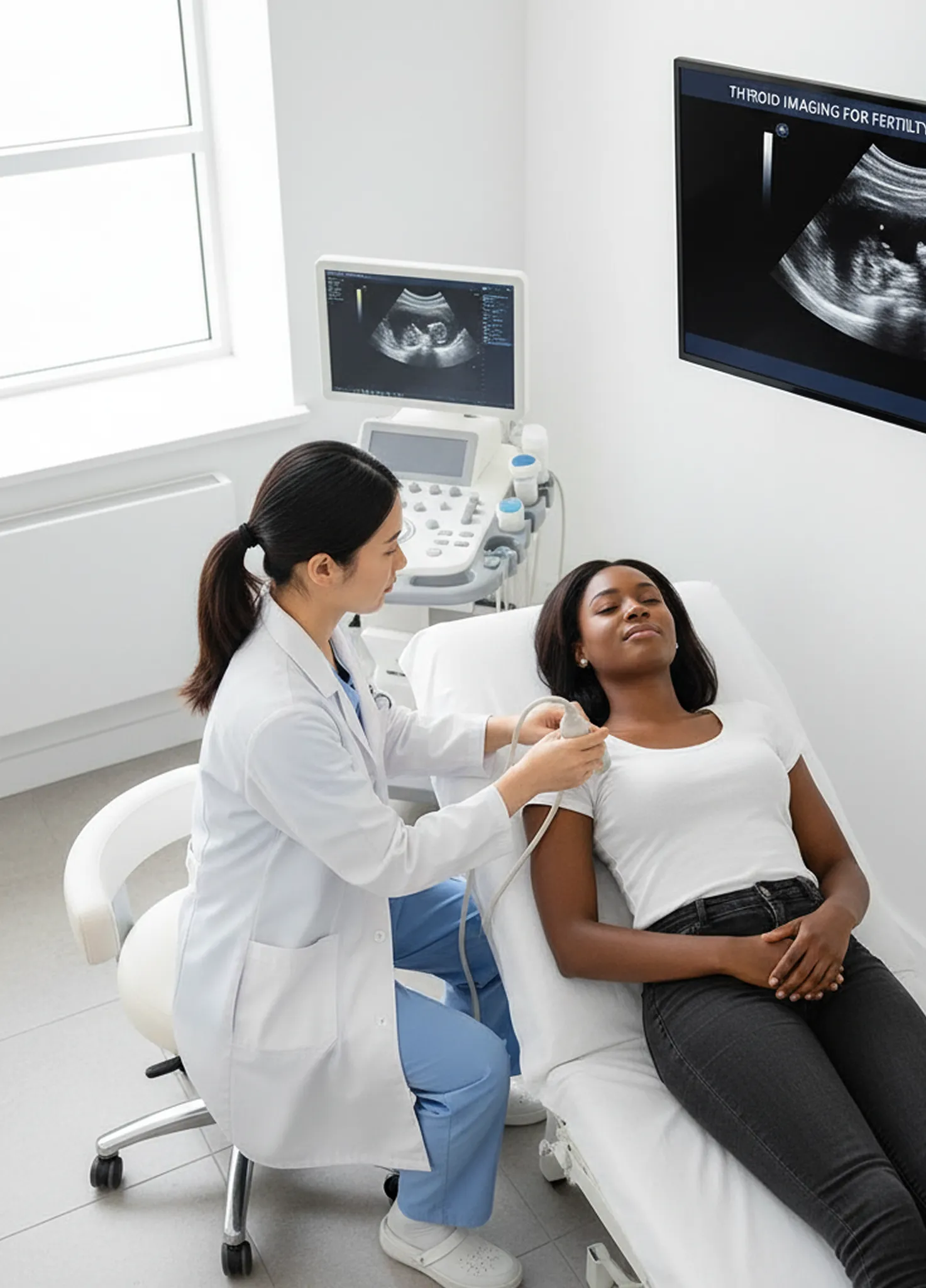
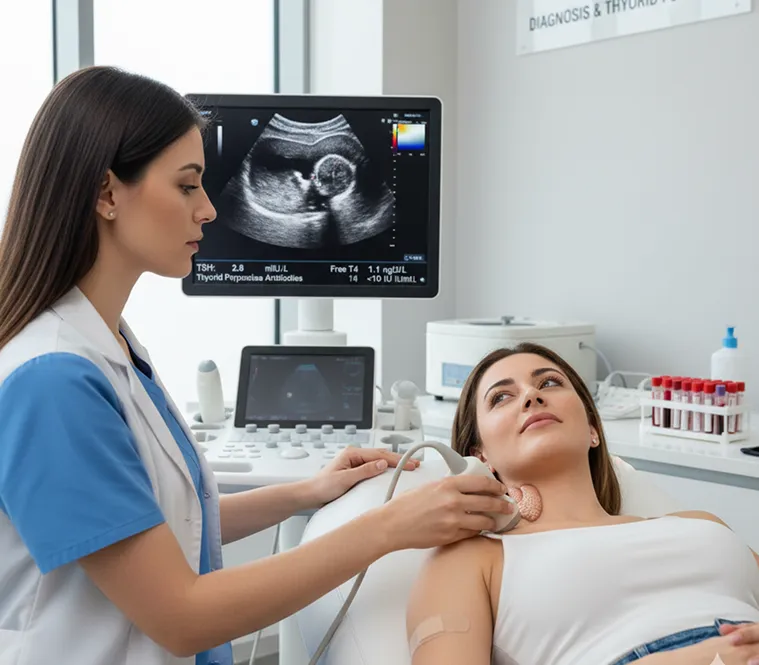
Thyroid disorders are diagnosed through simple blood tests that check hormone levels. These tests help identify imbalances that may affect fertility.

Key tests include:

  • thyroid-stimulating hormone (TSH): Measures how well the thyroid is being regulated
  • thyroxine (T4) and triiodothyronine (T3): Show the actual hormone levels in the body
  • Thyroid antibodies: Help detect autoimmune thyroid conditions

Doctors may also check other reproductive hormones to see how thyroid function is impacting fertility.

Early diagnosis helps start treatment on time and improves the chances of conception.

Diagnosis and Thyroid Function Testing for Fertility
Treatment Options for Thyroid Disorders and Fertility Improvement

Treatment Options for Thyroid Disorders and Fertility Improvement

Medical Treatments

Treatment depends on the type of thyroid disorder:

  • Hypothyroidism is commonly treated with Levothyroxine, which restores normal hormone levels
  • Hyperthyroidism may be managed with antithyroid medications or other interventions

The goal is to bring hormone levels back into a stable range, improving ovulation and reproductive health.

Lifestyle and Nutritional Support

In addition to medical treatment, lifestyle changes can support thyroid health:

  • Adequate intake of iodine, selenium, and zinc
  • Balanced diet rich in whole foods
  • Stress management techniques
  • Regular physical activity

These changes can enhance the effectiveness of medical treatments and support overall fertility.

Managing Thyroid Health for Pregnancy

Proper thyroid management is essential not only for conception but also for maintaining a healthy pregnancy. Hormone levels should be closely monitored before and during pregnancy. Adjustments in medication are often required, as hormone demands increase. Regular follow-ups help ensure both maternal health and fetal development remain on track.

Risks of Untreated Thyroid Disorders on Pregnancy Outcomes

If thyroid disorders are not treated, they can affect both conception and pregnancy health.

The body struggles to maintain the hormonal balance needed for a safe pregnancy, which can lead to complications.

Possible risks include:

  • Miscarriage: Higher chance of early pregnancy loss
  • Preterm birth: Baby may be born before full term
  • Low birth weight: Baby may not grow properly in the womb
  • Developmental issues: Possible impact on the baby’s brain and growth development

Keeping thyroid levels stable with proper treatment greatly reduces these risks and supports a healthier pregnancy outcome.

Risks of Untreated Thyroid Disorders on Pregnancy Outcomes
Common Mistakes to Avoid in Thyroid and Fertility Management

Best Practices for Improving Fertility with Thyroid Disorders

A proactive approach can significantly increase the chances of successful conception. To improve fertility outcomes, consider the following practices:

  • Get early thyroid screening if trying to conceive
  • Follow prescribed treatments consistently
  • Maintain a nutrient-rich diet
  • Monitor hormone levels regularly
  • Work closely with a fertility specialist

Common Mistakes to Avoid in Thyroid and Fertility Management

Avoiding mistakes can help ensure more effective management of thyroid-related fertility issues. Many individuals unknowingly make mistakes that delay progress:

  • Ignoring mild symptoms or irregular cycles
  • Skipping thyroid testing during fertility evaluation
  • Stopping medication without medical advice
  • Relying only on diet without proper treatment

Conclusion

Thyroid disorders are a common but often overlooked factor in fertility challenges. Whether it is hypothyroidism, hyperthyroidism, or a subclinical condition, even small hormonal imbalances can affect conception.

The good news is that most thyroid-related fertility issues are manageable with proper diagnosis and treatment. 

By understanding the connection between thyroid health and reproduction, individuals can take practical steps toward improving their chances of conception and achieving a healthy pregnancy.