PCOS can feel very frustrating to manage. Many women struggle with irregular periods, weight gain, acne, fatigue, and hormonal imbalance that doesn’t improve easily.
This happens because PCOS is often linked to insulin resistance, inflammation, and hormone disruption. That’s why diet alone is not always enough, and many women look for PCOS diet supplements for extra support.
In some cases, guidance from a PCOS treatment clinic can also help women understand the right combination of lifestyle changes and supplements for their condition.
In this guide, you’ll find a simple and complete breakdown of the best vitamins and nutrients for PCOS. You’ll learn what works, why it helps, and how it can support your body naturally.
PCOS diet supplements are natural vitamins, minerals, and plant-based compounds that support the body in managing hormonal imbalance linked to PCOS.
They are not magic pills, but they work alongside a healthy diet and lifestyle to:
These supplements are usually used as part of a long-term management plan rather than a quick fix.
PCOS is closely linked to three major issues:
Supplements help by targeting these root causes. For example, some improve how your body uses insulin, while others reduce excess testosterone or support ovarian function.
When combined correctly, supplements can help make symptoms more manageable and improve overall quality of life.
For many women, choosing the right combination can be confusing, and sometimes guidance from a fertility specialist clinic can also help in understanding what works best based on individual symptoms and health goals.
Let’s explore the most widely used and research-supported supplements for PCOS.
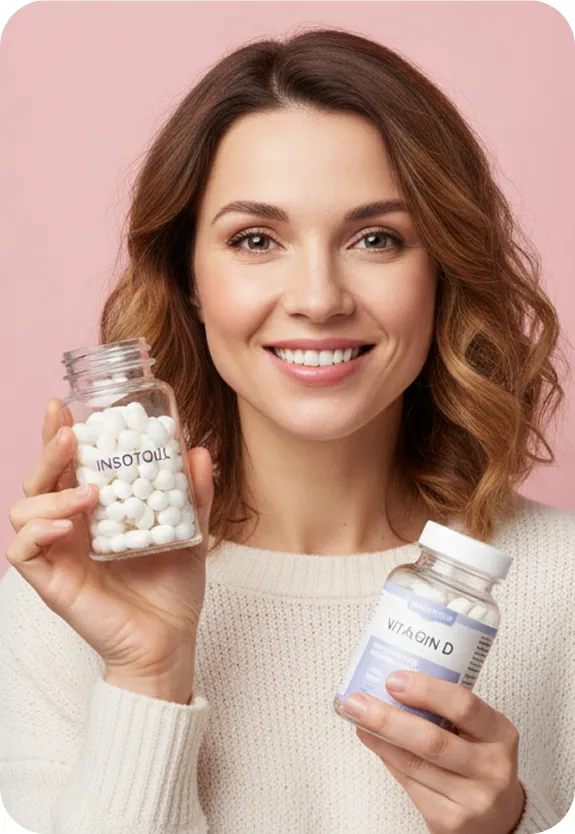
Inositol is one of the most studied supplements for PCOS. It helps the body use insulin better and supports hormone balance.
Myo-inositol and D-chiro inositol work best together. Many women notice more regular periods and improved ovulation with consistent use.
Vitamin D deficiency is very common in women with PCOS. It is often linked with hormonal imbalance and worse symptom severity.
This vitamin helps support insulin function, reproductive health, and inflammation control. Correcting low levels can noticeably improve overall PCOS management.
Omega-3 fatty acids are healthy fats usually found in fish oil. They are known for their strong anti-inflammatory properties.
They can help balance hormones, support metabolism, and may improve symptoms like acne and mood swings. They are especially useful in inflammation-driven PCOS.
Magnesium is an essential mineral involved in many body functions. Many women with PCOS have low magnesium levels without realizing it.
It helps regulate blood sugar, reduce stress, improve sleep, and ease menstrual discomfort. It also supports overall hormonal balance.
NAC is a strong antioxidant that supports detoxification and insulin regulation. It is often used in PCOS management plans.
It may improve insulin resistance, support ovulation, and reduce oxidative stress. It is also commonly used for fertility support.
Gut health plays a key role in hormone regulation. An imbalance in gut bacteria can make PCOS symptoms worse.
Probiotics help improve digestion, reduce bloating, and support hormone metabolism. A healthy gut can improve how the body processes estrogen and other hormones.
Coenzyme Q10 supports energy production at the cellular level. It is especially important for reproductive health.
It may improve egg quality, reduce oxidative stress, and support fertility outcomes. Many women use it when planning a pregnancy.
Curcumin is the active compound found in turmeric. It is widely known for its strong anti-inflammatory effects.
It may help reduce insulin resistance, support hormone balance, and assist with weight management. Its absorption improves when taken with black pepper.
Berberine is a natural plant compound often compared to metformin. It is commonly used for metabolic issues in PCOS.
It helps improve insulin sensitivity, regulate blood sugar, and support weight loss. It may also improve ovulation in some women.
Many women also prefer getting a proper diagnosis and guidance from a gynaecology clinic to understand their specific symptom pattern before starting supplements.
PCOS affects everyone differently. Here’s how supplements can target specific concerns.
Insulin resistance is one of the most common issues in PCOS. It happens when the body doesn’t use insulin properly, leading to higher blood sugar and hormonal imbalance.
Supplements like myo-inositol, berberine, magnesium, and omega-3 fatty acids can help improve insulin sensitivity. Over time, they may support more stable energy levels and better blood sugar control.
Weight gain or difficulty losing weight is a common struggle in PCOS. It is often linked with slow metabolism and insulin imbalance.
Berberine, omega-3s, magnesium, and probiotics can help support metabolism and reduce inflammation. They may also help regulate appetite and improve how the body stores fat.
Irregular or missed periods are one of the most frustrating PCOS symptoms. They usually happen due to disrupted ovulation and hormone imbalance.
Myo-inositol with D-chiro inositol, vitamin D, NAC, and omega-3s can help support more regular ovulation. With consistent use, they may help improve cycle predictability over time.
Many women with PCOS struggle with ovulation, which can affect fertility. This is often linked to poor egg quality and hormonal imbalance.
CoQ10, myo-inositol, vitamin D, and NAC can support egg health and reproductive hormones. These supplements are commonly used by women trying to conceive.
Learn more: The Role of Hormones in Reproductive Health
Acne and excess hair growth in PCOS are usually caused by higher androgen (male hormone) levels. This can be both physical and emotionally stressful.
Zinc, omega-3 fatty acids, vitamin D, and curcumin can help reduce inflammation and hormone imbalance. Over time, they may help improve skin clarity and reduce androgen-related symptoms.
Chronic inflammation and low energy are very common in PCOS. They can make daily life feel exhausting and unbalanced.
Omega-3s, magnesium, curcumin, and CoQ10 help reduce inflammation and support energy production. These supplements may improve overall vitality and reduce fatigue over time.
When looking at evidence-based options, PCOS specialists often focus on a few key supplements that show consistent results in managing symptoms like insulin resistance, hormonal imbalance, and irregular cycles.
Not all supplements have the same level of evidence. Let’s break them down.
These supplements have strong research support for PCOS. They are widely studied and commonly recommended by health professionals.
Myo-inositol, vitamin D, omega-3 fatty acids, berberine, and NAC are known to help with insulin resistance, hormones, and overall symptom control. They are often considered the “core” PCOS supplements.
These supplements show promising results, but research is still growing. They are not as strongly proven yet, but may still be helpful.
CoQ10, probiotics, curcumin, and magnesium can support energy, gut health, and inflammation. They often work best when used alongside core supplements.
Supplements can support PCOS management, but they should not replace real food. A balanced diet is the foundation for hormone health, energy, and long-term symptom control.
A PCOS-friendly eating pattern should focus on whole, nutrient-dense foods that help stabilize blood sugar and reduce inflammation. The most important food groups include:
When your diet is consistent and balanced, supplements become more effective.
Think of them as supportive tools that fill nutritional gaps, not the main treatment itself.
Choosing PCOS supplements can feel confusing, but keeping it simple makes it easier. The goal is to focus on what your body actually needs instead of trying everything at once.
A simple way to choose the right supplements is:
It’s also best to be patient and give supplements time to work. If possible, talk to a healthcare professional before starting, especially if you are already taking medication.
Many women don’t get full benefits from supplements because of a few simple mistakes. Understanding these can help improve your results.
Common mistakes include:
PCOS management takes time and patience. Supplements work best when used regularly along with healthy habits, not as a quick fix.
Most PCOS supplements are generally safe, but some people may experience mild side effects. It depends on the dose and how your body reacts.
Possible side effects include:
It’s always best to start with a low dose and see how your body responds. If you are pregnant, trying to conceive, or already on medication, it’s important to get professional advice before using supplements.
Learn more: Can You Still Get Pregnant With PCOS?
A daily supplement routine can help you stay consistent and get better results over time.
This is just a simple example of how PCOS supplements are often spaced throughout the day for better absorption and comfort.
Time of Day | Supplements | Purpose |
Morning | Myo-inositol + D-chiro inositol | Hormone balance, support ovulation |
Morning | Vitamin D | Hormone support, immunity |
Morning | Omega-3 fatty acids | Inflammation control, metabolic support |
Afternoon | Berberine (if used) | Blood sugar and insulin support |
Afternoon | Probiotic | Gut health and digestion |
Evening | Magnesium | Relaxation, sleep, stress support |
Evening | NAC (if included) | Antioxidant support, fertility support |
This is just a sample structure. Your routine should always be personalized.
PCOS is a complex hormonal condition, but the right support can make it much easier to manage. PCOS diet supplements like inositol, vitamin D, omega-3s, magnesium, NAC, and berberine can help target the root causes of symptoms such as insulin resistance, inflammation, and hormonal imbalance.
However, supplements work best when combined with a balanced diet, regular movement, stress management, and healthy sleep habits.
There is no one-size-fits-all solution, but with the right approach, you can create a routine that supports your body and helps you feel more in control of your PCOS journey.


