Understanding Your Fertility Tests A Complete Guide for Couples

Understanding Your Fertility Tests: A Complete Guide for Couples

Fertility testing helps couples understand how well their reproductive systems are working and whether there are medical factors that may make conception difficult. These tests provide useful information about hormone levels, ovulation, sperm health, and the condition of reproductive organs.

Modern fertility testing usually evaluates both partners because fertility challenges can involve either the male or female partner, or sometimes both. Doctors at a fertility clinic in London or other specialized centers often recommend testing for couples who have been trying to conceive for several months without success.

Understanding what each fertility test measures can make the process less stressful and easier to navigate. This guide explains the most common fertility tests for men and women, what the results mean, and the next steps couples may take afterward.

Who Should Get Fertility Testing?

Fertility testing is usually recommended for couples who have been trying to conceive without success. The timing often depends on age and overall health. Doctors commonly suggest testing in the following situations:

Difficulty Conceiving

Difficulty Conceiving

Simple treatments like IUI usually cost less, while advanced procedures like IVF require lab work and specialized technology that increases cost.

Irregular Menstrual Cycles

Some patients require more than one treatment cycle to achieve pregnancy, and repeating procedures can gradually increase the total cost.

Reproductive Health Conditions

Fertility clinics often perform blood tests, ultrasounds, hormone checks, and sperm analysis before treatment, which adds to costs.

Male Fertility Concerns

Fertility drugs used to stimulate egg production vary by patient and dosage, and medication expenses can increase overall treatment cost.

Overview of Fertility Tests for Women

Doctors typically begin with basic tests and move toward more specialized diagnostics if needed.

The goal is to determine whether the ovaries are producing eggs regularly, whether hormones are functioning normally, and whether the reproductive organs allow fertilization and implantation.

Female fertility testing focuses on several key areas:

  • Hormone balance
  • Ovulation timing
  • Reproductive organ structure
  • Egg quantity and quality

Hormone Blood Tests

Hormone blood tests are one of the most common starting points in fertility evaluation. These tests measure reproductive hormones that control the menstrual cycle and ovulation.

Hormone testing is usually done through simple blood samples taken at specific times in the menstrual cycle.

Some of the key hormones doctors examine include:

  • Follicle-Stimulating Hormone (FSH)
    FSH helps stimulate the ovaries to produce eggs. High levels may suggest reduced ovarian function or a lower egg supply.

  • Luteinizing Hormone (LH)
    LH triggers ovulation. Abnormal levels may indicate ovulation disorders or hormonal imbalances.

  • Estrogen (Estradiol)
    Estrogen supports egg development and prepares the uterus for pregnancy. Levels are usually tested early in the menstrual cycle.

  • Progesterone
    Progesterone rises after ovulation and confirms whether ovulation has occurred.

  • Thyroid Hormones

    Thyroid disorders can affect menstrual cycles and fertility. Testing helps identify conditions that may interfere with reproduction.

Hormone Blood Tests

Ovulation Testing

Ovulation testing helps determine whether the ovaries are releasing eggs regularly.

Since pregnancy can only occur during a short fertile window each month, identifying ovulation is a key part of fertility assessment.

Tracking ovulation over several months can provide important information about reproductive patterns and timing.

Common ovulation tests include:
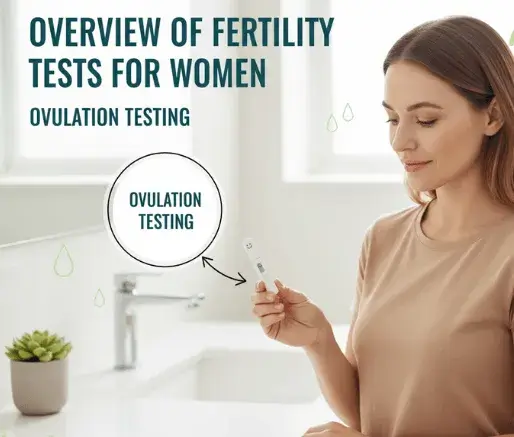
  • Ovulation Predictor Kits
    These home tests detect the surge in luteinizing hormone that occurs shortly before ovulation. A positive result suggests ovulation may occur within the next 24 to 36 hours.

  • Basal Body Temperature Tracking
    Measuring body temperature each morning can reveal a slight temperature rise that occurs after ovulation.

  • Progesterone Blood Tests
    A progesterone test performed about a week after ovulation can confirm whether ovulation took place during the cycle.

Imaging and Structural Tests

Imaging tests allow doctors to examine the reproductive organs and identify structural issues that may prevent pregnancy.

Common imaging tests include:

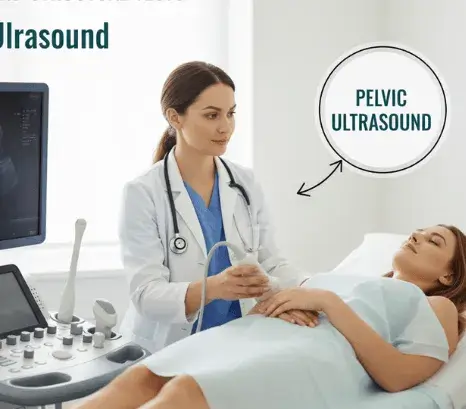
Pelvic Ultrasound

Ultrasound uses sound waves to produce images of the ovaries and uterus. It can detect:

  • Ovarian cysts
  • Uterine fibroids
  • Endometrial thickness
  • Egg development in ovarian follicles
Pelvic Ultrasound

Hysterosalpingography (HSG)

This imaging test evaluates whether the fallopian tubes are open. A contrast dye is inserted into the uterus and X-rays show whether the dye flows through the tubes. Blocked fallopian tubes can prevent sperm from reaching the egg.

Sonohysterography

This test uses saline and ultrasound to examine the uterine cavity more closely and identify abnormalities such as polyps or scar tissue.

Structural tests help doctors determine whether the reproductive organs can support fertilization and implantation.

Ovarian Reserve Testing

Ovarian reserve refers to the number and quality of eggs remaining in the ovaries. While women are born with all the eggs they will ever have, the number and quality gradually decline with age.

Ovarian reserve testing helps estimate a woman’s remaining egg supply. Important tests include:

Anti-Müllerian Hormone (AMH) Test

Anti-Müllerian Hormone (AMH) Test

AMH levels reflect the number of developing follicles in the ovaries. Lower levels may indicate reduced ovarian reserve.

Antral Follicle Count

During an ultrasound exam, doctors count the number of small follicles in the ovaries at the beginning of the menstrual cycle.

Day-3 Hormone Testing

Blood tests measuring FSH and estrogen on the third day of the cycle provide additional information about ovarian function.

These tests help fertility specialists assess how the ovaries may respond to treatment.

Fertility Tests for Men

Male fertility testing focuses primarily on sperm health and hormone balance. Since sperm plays a critical role in fertilization, identifying problems with sperm production or function is essential.

The first step in male fertility testing is usually semen analysis, followed by additional tests if abnormalities are detected.

Semen Analysis

Semen analysis is the most common and important fertility test for men. It evaluates several characteristics of sperm and semen. Key factors measured include:

  • Sperm Count

    This measures the number of sperm present in a semen sample. A low sperm count may reduce the chance of fertilization.

  • Sperm Motility
    Motility refers to how well sperm move. Healthy sperm must swim effectively to reach the egg.

  • Sperm Morphology
    Morphology describes the shape and structure of sperm. Abnormal shapes may make fertilization more difficult.

  • Semen Volume
    The total amount of semen produced during ejaculation can also affect fertility.

Semen samples are usually collected at a laboratory after a short period of abstinence. Doctors may repeat the test to confirm results because sperm levels can vary.

Hormone Testing in Men

Hormone testing can help identify underlying causes of male infertility. Blood tests measure hormones that regulate sperm production. Important hormones include:

  • Testosterone
    Testosterone plays a central role in sperm production and male reproductive health.

  • Follicle-Stimulating Hormone (FSH)
    FSH stimulates sperm production in the testes.

  • Luteinizing Hormone (LH)
    LH controls testosterone production.


Abnormal hormone levels may indicate problems with the testes or the brain signals that regulate reproductive function.

Additional Male Fertility Tests

If semen analysis shows abnormal results, doctors may recommend additional tests. These may include:

  • Scrotal Ultrasound
    This imaging test examines the testicles and surrounding structures. It can identify conditions such as varicocele, which is a swelling of veins in the scrotum that may affect sperm production.

  • Genetic Testing
    Certain genetic conditions can cause infertility. Testing may be recommended when sperm counts are extremely low.

  • Post-Ejaculation Urinalysis
    This test checks for retrograde ejaculation, a condition in which semen enters the bladder instead of exiting the body.

These tests help specialists identify the underlying causes of male fertility problems.

Advanced Fertility Diagnostic Tests

When basic fertility tests do not provide clear answers, doctors may recommend advanced diagnostic procedures.
These tests provide deeper insights into reproductive health.

Number of Treatment Cycles

Laparoscopy

A minimally invasive surgery where a small camera is inserted through the abdomen to view pelvic organs and diagnose conditions like endometriosis.

Number of Treatment Cycles
Hysteroscopy

During an ultrasound exam, doctors count the number of small follicles in the ovaries at the beginning of the menstrual cycle.

Diagnostic Tests

Genetic Screening

Blood tests measuring FSH and estrogen on the third day of the cycle provide additional information about ovarian function.

Advanced tests are typically recommended when initial evaluations do not explain infertility.

Understanding Your Fertility Test Results

Fertility test results can sometimes feel overwhelming, especially when they include medical terminology and complex numbers.

However, doctors interpret these results by looking at patterns rather than isolated values.

For example:

  • Hormone levels are evaluated based on the timing within the menstrual cycle
  • Sperm health is assessed using several measurements together
  • Imaging tests are interpreted alongside hormone results


It is important to remember that abnormal results do not always mean pregnancy is impossible. Many fertility problems can be treated or managed with medical support.

Discussing results with a fertility specialist helps couples understand what the findings mean for their chances of conception.

Common Fertility Problems Diagnosed Through Testing

Fertility testing can identify a variety of conditions that may affect the ability to conceive. Some common diagnoses include:

  • Ovulation Disorders
    Conditions such as polycystic ovary syndrome may prevent regular ovulation.

  • Blocked Fallopian Tubes
    Scar tissue or infections may block the tubes and prevent sperm from reaching the egg.

  • Endometriosis
    Endometrial tissue growing outside the uterus can interfere with fertility.

  • Low Ovarian Reserve
    A reduced number of eggs can decrease the likelihood of pregnancy.

  • Male Factor Infertility
    Low sperm count, poor sperm motility, or abnormal sperm structure can affect fertilization.

Identifying the cause of infertility allows doctors to recommend targeted treatments.

Next Steps After Fertility Testing

After testing is complete, couples usually meet with a fertility specialist to review the results and discuss possible treatment plans.

Next steps may include:

  • Lifestyle adjustments to support reproductive health
  • Medications to regulate ovulation or hormone levels
  • Procedures to correct structural problems
  • Assisted reproductive technologies


The appropriate approach depends on the specific cause of infertility, the age of the partners, and how long they have been trying to conceive.

Fertility Treatment Options Couples May Consider

Modern reproductive medicine offers many treatment options for couples facing fertility challenges. Some commonly recommended treatments include:

  • Ovulation Induction
    Medications stimulate the ovaries to release eggs regularly.
  • Intrauterine Insemination (IUI)
    In this procedure, prepared sperm are placed directly into the uterus during ovulation.
  • In Vitro Fertilization (IVF)
    Eggs are fertilized with sperm in a laboratory, and the resulting embryos are transferred into the uterus.
  • Surgical Treatments
  • Certain structural problems, such as blocked fallopian tubes or uterine polyps, may be treated through surgery.

Final Verdict

Fertility testing is an important step for couples who want to better understand their reproductive health and identify possible reasons for difficulty conceiving. These tests evaluate hormones, ovulation, sperm health, and the condition of reproductive organs.

Although the process may seem complex, fertility tests provide valuable insights that help doctors identify potential problems and recommend suitable treatment options.

With proper evaluation and medical guidance, many fertility challenges can be managed effectively, helping couples move closer to their goal of starting or expanding their family.

Choosing a fertility clinic is an important step for individuals or couples who want to start or grow their family. The clinic you choose can influence the quality of care, treatment experience, and overall success of your fertility journey.

London has many fertility clinics offering advanced treatments and experienced specialists, which can make the selection process overwhelming for patients who are just beginning to explore their options.

In this guide, you will learn how to choose the best fertility clinic in London, including the key factors to evaluate such as success rates, specialist expertise, treatment options, clinic reputation, and important questions to ask during your first consultation.

Table of Contents

Why Choosing the Right Fertility Clinic Matters

Choosing the right fertility clinic is important because it can affect the quality of treatment, the accuracy of diagnosis, and the chances of a successful pregnancy.

A reliable clinic provides expert medical care, advanced treatments, and proper support throughout the fertility journey.

  1. Accurate Diagnosis
    A good clinic identifies fertility issues correctly and creates a treatment plan based on your specific needs.
  2. Advanced Treatment Options
    Modern technologies such as IVF and genetic testing can improve treatment outcomes.
  3. Experienced Specialists
    Skilled fertility doctors and embryologists help ensure safe and effective procedures.
  4. Better Patient Support
    Clear communication and emotional support make the treatment process less stressful.
Why Choosing the Right Fertility Clinic Matters

Key Factors to Consider When Choosing a Fertility Clinic in London

Before selecting gynaecology clinic in London, it is important to evaluate several practical and medical factors.

These include treatment outcomes, professional qualifications, patient feedback, and the availability of advanced fertility technologies.

Each of the following elements can help determine whether a fertility clinic meets high standards of care and reliability.

Clinic Success Rates and Live Birth Statistics

Success rates help you understand how effective a fertility clinic’s treatments are. These numbers show how often treatments like IVF lead to pregnancy or a live birth. Clinics may report different types of success statistics, such as:

  • Pregnancy rate per treatment cycle

  • Live birth rate per embryo transfer

  • Success rates by age group

  • Success rates for IVF or ICSI


The live birth rate is the most important because it shows the final result. When reviewing success rates:

  • Check results for your age group

  • Look at data from several years

  • Ensure the clinic reports clear and transparent data

Accreditation and Regulatory Approval

Accreditation and regulatory approval ensure that a fertility clinic meets high medical and ethical standards. In the UK, clinics must be licensed by the Human Fertilisation and Embryology Authority (HFEA) to operate legally.

HFEA-approved clinics follow strict rules for:

  • Patient safety and medical protocols

  • Laboratory quality and embryo handling

  • Ethical treatment practices

  • Transparent reporting of success rates


Some clinics also hold additional accreditations or work with hospitals and research institutions, showing a commitment to quality care and continuous improvement.

Experience and Expertise of Fertility Specialists

The experience of fertility specialists plays an important role in treatment success and patient care. When choosing a clinic, look for:

Experience and Expertise of Fertility Specialists
  • Experienced fertility consultants and reproductive specialists

  • Skilled embryologists and fertility nurses

  • Support from genetic specialists and counselors

  • Strong medical training and professional certifications

  • Experience with advanced fertility treatments

A clinic with an experienced and supportive team can provide more personalized and effective care.

Range of Fertility Treatments and Technologies

Clinics with modern laboratories and advanced technologies provide more accurate monitoring, testing, and analysis.

Fertility challenges differ for each patient, so having access to a wide range of treatments is important. Leading London clinics typically offer:

Personalized treatment plans tailored to individual needs are also key for better outcomes.

Range of Fertility Treatments and Technologies

Clinic Reputation and Patient Reviews

Look for testimonials on healthcare review sites, clinic websites, and fertility forums. A clinic’s reputation and patient reviews give insight into the quality of care beyond official statistics.

Reviews often highlight:

  • Staff communication and empathy

  • Waiting times and appointment scheduling

  • Support during treatment cycles

  • Transparency about procedures and outcomes

Consistently positive feedback usually indicates a clinic with professional, supportive, and trustworthy care.

Treatment Costs and Transparency

Fertility treatment can be costly, so understanding clinic fees upfront is essential. Some clinics also offer packages, financing options, or refund programs to help manage costs.

Transparent clinics clearly explain:

  • Initial consultation fees

  • Treatment cycle costs

  • Medication expenses

  • Additional lab procedures

  • Optional genetic testing or embryo freezing

Avoid clinics with unclear pricing, as transparency ensures better planning and confidence throughout your fertility journey.

Location and Accessibility

Choosing a conveniently located clinic reduces stress and makes it easier to attend appointments consistently, which is especially important in a busy city like London.

Fertility treatment requires multiple visits for consultations, scans, and procedures, so clinic location matters. Consider these factors:

  • Travel time from home or work

  • Access to public transport

  • Parking availability

  • Flexible appointment scheduling

Questions to Ask During Your First Fertility Clinic Consultation

Your first consultation is a key chance to see if a clinic is right for you. Asking the right questions helps you understand treatment options, costs, and support.

Some important questions to ask include:

  • What fertility tests are recommended for me?

  • Which treatment options suit my situation best?

  • What are the success rates for my age group?

  • How long does a typical treatment cycle take?

  • What additional costs should I expect?

  • Who will manage my care during treatment?

  • How does the clinic support patients emotionally?

A good clinic will give clear, honest answers and ensure you feel comfortable throughout the process.

Questions to Ask During Your First Fertility Clinic Consultation

Tips for Making the Final Decision

After researching several clinics and attending consultations, the final choice may come down to a combination of practical and personal factors. Here are some helpful tips when making your final decision:

Tips for Making the Final Decision

Compare multiple clinics
Consulting with more than one clinic allows you to compare treatment approaches, costs, and success rates.

Consider the level of personalized care
A clinic that takes time to understand your medical history and fertility goals is often better equipped to design an effective treatment plan.

Evaluate communication quality
Clear communication from doctors and staff is essential throughout fertility treatment.

Trust your comfort level
Feeling comfortable with your doctor and clinic environment is important for reducing stress during the treatment journey.

Review both data and patient experiences
Succses rates provide important information, but patient reviews and overall care quality also matter.

Final Verdict

Finding the best fertility clinic in London requires careful research and thoughtful consideration.

With many reputable clinics available, evaluating key factors such as success rates, regulatory approval, specialist experience, treatment options, and patient reviews can help you identify a clinic that meets high standards of care.

A reliable fertility clinic offers more than advanced medical treatments. It provides personalized guidance, transparent communication, and emotional support throughout the fertility journey.

By asking the right questions, comparing multiple clinics, and understanding the services offered, you can make a confident decision that aligns with your needs and family goals.

Share this post

Understanding Your Fertility Tests A Complete Guide for Couples

Choosing a fertility clinic is an important step for individuals or couples who want to start or grow their family. The clinic you choose can influence the quality of care, treatment experience, and overall success of your fertility journey.

London has many fertility clinics offering advanced treatments and experienced specialists, which can make the selection process overwhelming for patients who are just beginning to explore their options.

In this guide, you will learn how to choose the best fertility clinic in London, including the key factors to evaluate such as success rates, specialist expertise, treatment options, clinic reputation, and important questions to ask during your first consultation.

Table of Contents

Why Choosing the Right Fertility Clinic Matters

Choosing the right fertility clinic is important because it can affect the quality of treatment, the accuracy of diagnosis, and the chances of a successful pregnancy.

A reliable clinic provides expert medical care, advanced treatments, and proper support throughout the fertility journey.

  1. Accurate Diagnosis
    A good clinic identifies fertility issues correctly and creates a treatment plan based on your specific needs.
  2. Advanced Treatment Options
    Modern technologies such as IVF and genetic testing can improve treatment outcomes.
  3. Experienced Specialists
    Skilled fertility doctors and embryologists help ensure safe and effective procedures.
  4. Better Patient Support
    Clear communication and emotional support make the treatment process less stressful.
Why Choosing the Right Fertility Clinic Matters

Key Factors to Consider When Choosing a Fertility Clinic in London

Before selecting gynaecology clinic in London, it is important to evaluate several practical and medical factors.

These include treatment outcomes, professional qualifications, patient feedback, and the availability of advanced fertility technologies.

Each of the following elements can help determine whether a fertility clinic meets high standards of care and reliability.

Clinic Success Rates and Live Birth Statistics

Success rates help you understand how effective a fertility clinic’s treatments are. These numbers show how often treatments like IVF lead to pregnancy or a live birth. Clinics may report different types of success statistics, such as:

  • Pregnancy rate per treatment cycle

  • Live birth rate per embryo transfer

  • Success rates by age group

  • Success rates for IVF or ICSI


The live birth rate is the most important because it shows the final result. When reviewing success rates:

  • Check results for your age group

  • Look at data from several years

  • Ensure the clinic reports clear and transparent data

Accreditation and Regulatory Approval

Accreditation and regulatory approval ensure that a fertility clinic meets high medical and ethical standards. In the UK, clinics must be licensed by the Human Fertilisation and Embryology Authority (HFEA) to operate legally.

HFEA-approved clinics follow strict rules for:

  • Patient safety and medical protocols

  • Laboratory quality and embryo handling

  • Ethical treatment practices

  • Transparent reporting of success rates


Some clinics also hold additional accreditations or work with hospitals and research institutions, showing a commitment to quality care and continuous improvement.

Experience and Expertise of Fertility Specialists

The experience of fertility specialists plays an important role in treatment success and patient care. When choosing a clinic, look for:

Experience and Expertise of Fertility Specialists
  • Experienced fertility consultants and reproductive specialists

  • Skilled embryologists and fertility nurses

  • Support from genetic specialists and counselors

  • Strong medical training and professional certifications

  • Experience with advanced fertility treatments

A clinic with an experienced and supportive team can provide more personalized and effective care.

Range of Fertility Treatments and Technologies

Clinics with modern laboratories and advanced technologies provide more accurate monitoring, testing, and analysis.

Fertility challenges differ for each patient, so having access to a wide range of treatments is important. Leading London clinics typically offer:

Personalized treatment plans tailored to individual needs are also key for better outcomes.

Range of Fertility Treatments and Technologies

Clinic Reputation and Patient Reviews

Look for testimonials on healthcare review sites, clinic websites, and fertility forums. A clinic’s reputation and patient reviews give insight into the quality of care beyond official statistics.

Reviews often highlight:

  • Staff communication and empathy

  • Waiting times and appointment scheduling

  • Support during treatment cycles

  • Transparency about procedures and outcomes

Consistently positive feedback usually indicates a clinic with professional, supportive, and trustworthy care.

Treatment Costs and Transparency

Fertility treatment can be costly, so understanding clinic fees upfront is essential. Some clinics also offer packages, financing options, or refund programs to help manage costs.

Transparent clinics clearly explain:

  • Initial consultation fees

  • Treatment cycle costs

  • Medication expenses

  • Additional lab procedures

  • Optional genetic testing or embryo freezing

Avoid clinics with unclear pricing, as transparency ensures better planning and confidence throughout your fertility journey.

Location and Accessibility

Choosing a conveniently located clinic reduces stress and makes it easier to attend appointments consistently, which is especially important in a busy city like London.

Fertility treatment requires multiple visits for consultations, scans, and procedures, so clinic location matters. Consider these factors:

  • Travel time from home or work

  • Access to public transport

  • Parking availability

  • Flexible appointment scheduling

Questions to Ask During Your First Fertility Clinic Consultation

Your first consultation is a key chance to see if a clinic is right for you. Asking the right questions helps you understand treatment options, costs, and support.

Some important questions to ask include:

  • What fertility tests are recommended for me?

  • Which treatment options suit my situation best?

  • What are the success rates for my age group?

  • How long does a typical treatment cycle take?

  • What additional costs should I expect?

  • Who will manage my care during treatment?

  • How does the clinic support patients emotionally?

A good clinic will give clear, honest answers and ensure you feel comfortable throughout the process.

Questions to Ask During Your First Fertility Clinic Consultation

Tips for Making the Final Decision

After researching several clinics and attending consultations, the final choice may come down to a combination of practical and personal factors. Here are some helpful tips when making your final decision:

Tips for Making the Final Decision

Compare multiple clinics
Consulting with more than one clinic allows you to compare treatment approaches, costs, and success rates.

Consider the level of personalized care
A clinic that takes time to understand your medical history and fertility goals is often better equipped to design an effective treatment plan.

Evaluate communication quality
Clear communication from doctors and staff is essential throughout fertility treatment.

Trust your comfort level
Feeling comfortable with your doctor and clinic environment is important for reducing stress during the treatment journey.

Review both data and patient experiences
Succses rates provide important information, but patient reviews and overall care quality also matter.

Final Verdict

Finding the best fertility clinic in London requires careful research and thoughtful consideration.

With many reputable clinics available, evaluating key factors such as success rates, regulatory approval, specialist experience, treatment options, and patient reviews can help you identify a clinic that meets high standards of care.

A reliable fertility clinic offers more than advanced medical treatments. It provides personalized guidance, transparent communication, and emotional support throughout the fertility journey.

By asking the right questions, comparing multiple clinics, and understanding the services offered, you can make a confident decision that aligns with your needs and family goals.

Share this post