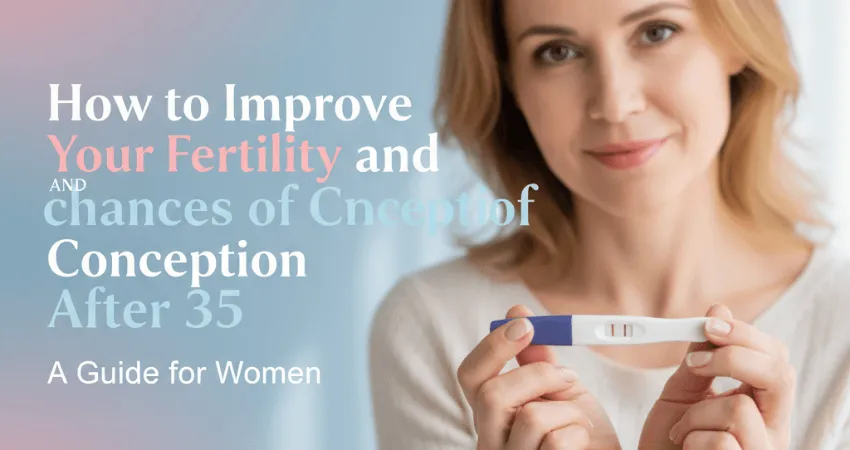
How to Improve Your Fertility and Chances of Conception After 35
Trying to get pregnant after 35 can feel stressful, especially if it is taking longer than expected. Many women worry about declining fertility, irregular periods, or whether they have waited too long to start a family.
Questions about egg quality, miscarriage risk, and fertility treatments can create anxiety. It is also common to feel pressure from time, family expectations, or confusing information found online.
This guide will help you understand how fertility changes after 35 and what you can do to improve your chances of conception. You will learn about natural methods, medical options, and practical steps to support a healthy pregnancy.
Table of Contents
Why Age Matters in Fertility?
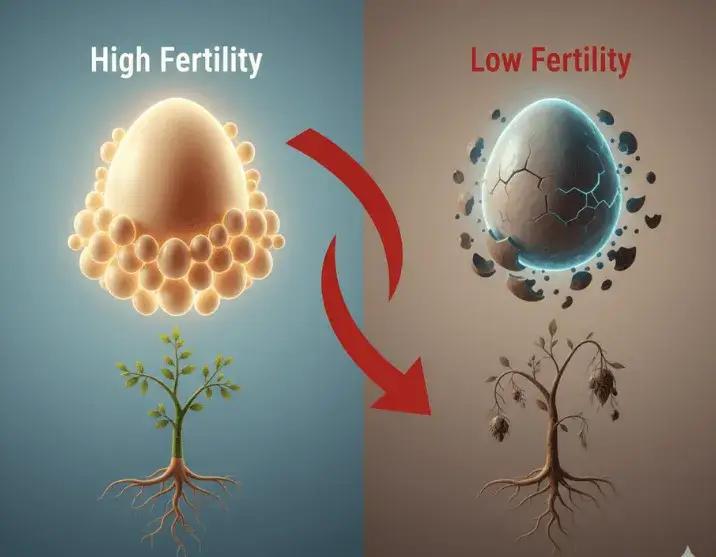
Fertility naturally changes with age because the number of eggs decreases, egg quality declines, and hormones shift. Understanding this helps you plan the right steps at the right time.
Egg Quality Decline
Egg quality naturally decreases with age, which can affect fertilization and increase the chances of genetic abnormalities in embryos.
Reduced Egg Reserve
Women are born with a limited number of eggs, and this number continues to decrease over time, lowering the chances of conception.
Hormonal Balance Changes
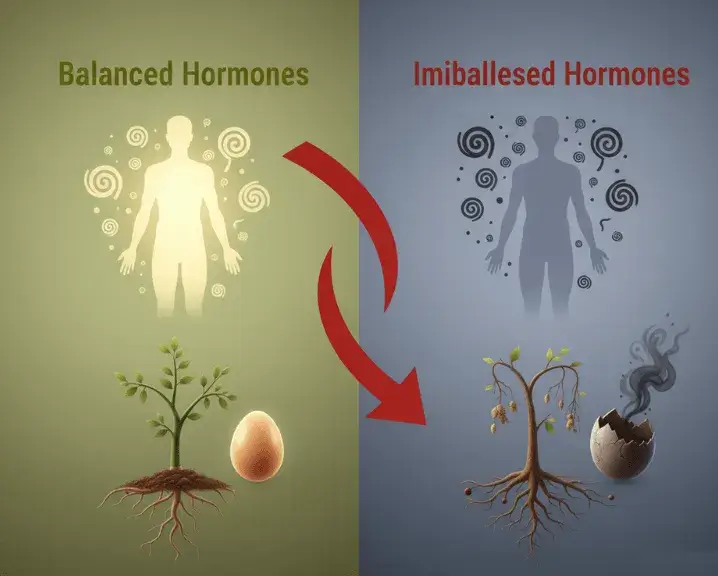
Reproductive hormones such as estrogen and progesterone fluctuate with age, which may impact ovulation and menstrual cycle regularity.
Higher Pregnancy Risks
Advancing age may increase the risk of miscarriage and certain pregnancy complications, making early planning and proper care important.
How Fertility Changes After Age 35?
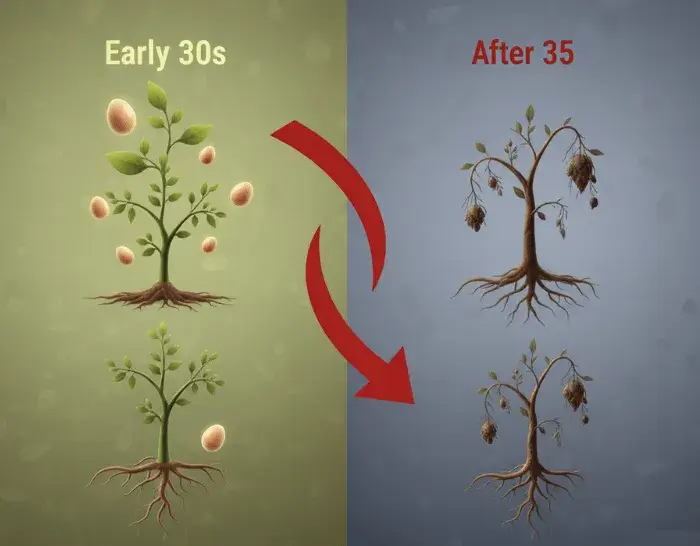
Fertility decline is not sudden, but gradual. After 35, reproductive changes tend to become more noticeable and may affect the chances of conception.
Decline in Egg Quantity and Quality
The ovaries contain all the eggs a woman will ever have. With age, the number of remaining eggs decreases. This is called ovarian reserve decline.
Egg quality also changes over time. Older eggs are more likely to have chromosomal abnormalities, which can affect fertilization, embryo development, and pregnancy outcomes.
Lower egg quality can lead to:
Difficulty getting pregnant
Increased miscarriage risk
Higher chance of genetic conditions
Hormonal Changes and Their Impact
Hormones control ovulation, menstruation, and pregnancy. After 35, reproductive hormones such as estrogen and progesterone may fluctuate.
Hormonal changes can affect:
Egg release timing
Uterine lining development
Implantation success
Overall cycle regularity
Some women may also experience symptoms of perimenopause in their late 30s or early 40s.
Ovulation and Cycle Irregularities
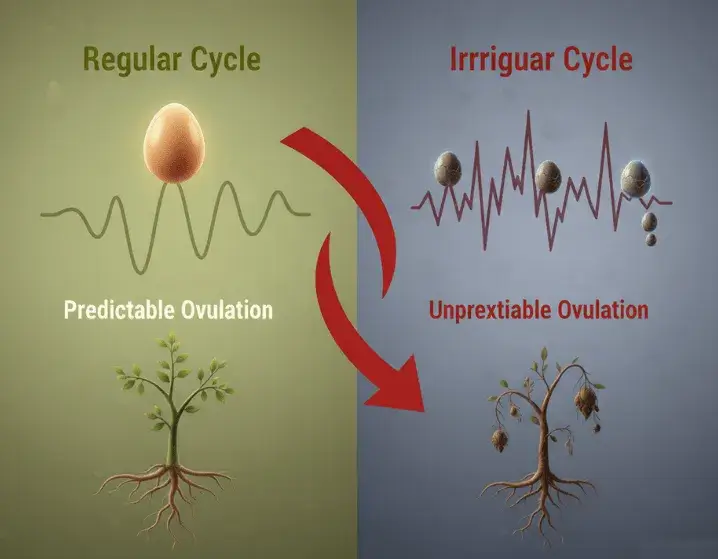
Ovulation may not happen consistently every month as women age. Some cycles may be shorter, longer, or irregular.
Irregular ovulation makes it harder to predict the fertile window.
Since pregnancy is only possible during ovulation, timing becomes more important when trying to conceive after 35.
Chances of Getting Pregnant After 35
Although fertility declines with age, pregnancy is still possible for many women in their late 30s and early 40s.
Average monthly conception chances:
Age 25–30: about 20–25% chance per cycle
Age 35: about 15% chance per cycle
Age 40: about 5–10% chance per cycle
Many couples conceive within 6 to 12 months of trying.
However, patience and proper planning often become more important after 35.
Common Challenges in Conceiving After 35
Women trying to conceive after 35 may face certain challenges that can delay pregnancy.
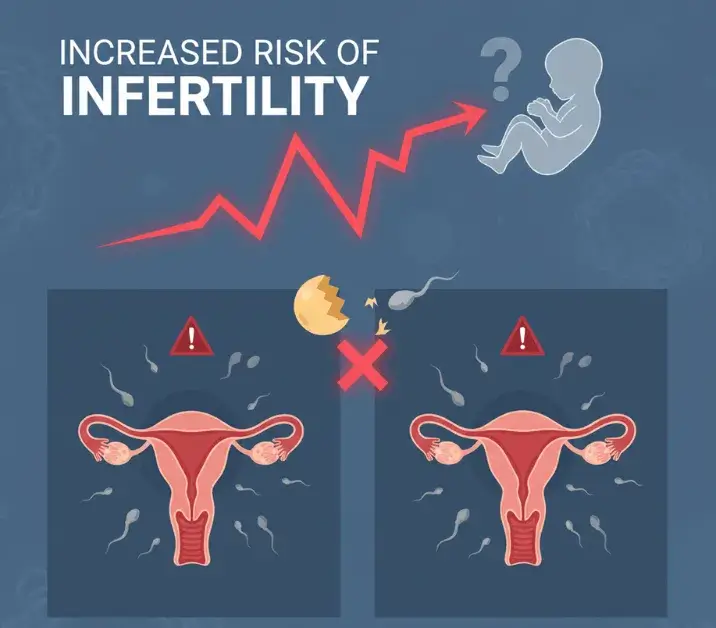
Increased Risk of Infertility
Infertility is defined as trying to conceive for 12 months without success. After age 35, doctors recommend seeking evaluation after 6 months of trying.
Possible causes include:
Reduced ovarian reserve
Blocked fallopian tubes
Endometriosis
Polycystic ovary syndrome (PCOS)
Male factor infertility
Both partners should be evaluated when conception is delayed.
Higher Risk of Miscarriage
The risk of miscarriage increases with age, mainly due to chromosomal abnormalities in embryos.
Estimated miscarriage rates:
Under 35: about 10–15%
Age 35–39: about 20–25%
Over 40: about 35–40%
Experiencing miscarriage can be emotionally difficult, but many women go on to have healthy pregnancies afterward.
Age-Related Health Conditions
Health conditions that become more common with age can affect fertility and pregnancy.
Examples include:
Thyroid disorders
Diabetes
High blood pressure
Fibroids
Endometriosis
Managing these conditions early can improve the chances of successful conception.
You have been diagnosed with PCOS, fibroids, or endometriosis
Your partner has low sperm count or motility issues
You are over 40 and planning pregnancy
Early evaluation can save time and provide clarity about available options.
Ways to Improve Fertility After 35
While age cannot be changed, lifestyle and health choices can support fertility and improve pregnancy chances.
Healthy Lifestyle Changes
Simple daily habits can make a meaningful difference.
Helpful changes include:
Maintain a balanced diet Eat foods rich in nutrients such as:
Leafy greens
Whole grains
Fruits
Lean protein
Healthy fats
Maintain a healthy weight Both underweight and overweight women may experience ovulation problems.
Exercise regularly Moderate exercise supports hormone balance and stress management.
Avoid smoking and alcohol Smoking affects egg quality and speeds up ovarian aging. Excess alcohol may disrupt hormonal balance.
Reduce caffeine intake Limit caffeine to about one cup of coffee per day.
Manage stress Chronic stress may interfere with ovulation and hormone regulation.
Sleep well 7 to 8 hours of quality sleep supports hormone balance.
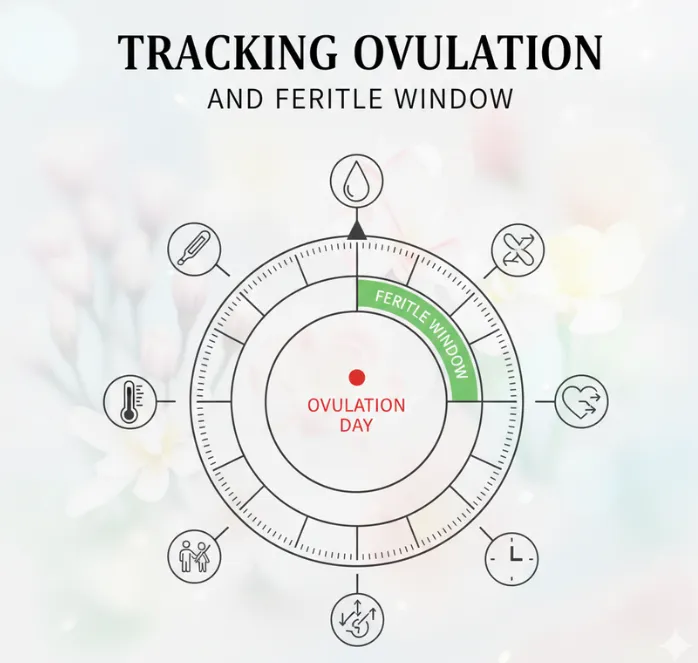
Tracking Ovulation and Fertile Window
Understanding the fertile window increases the chances of conception. Ovulation usually occurs about 12 to 16 days before the next period. Methods to track ovulation:
Ovulation predictor kits These detect hormone surges before ovulation.
Basal body temperature tracking Slight temperature rise indicates ovulation has occurred.
Cervical mucus observation Clear, stretchy mucus often appears during the fertile window.
Fertility apps Apps help track cycle patterns and predict ovulation days.
Timing intercourse during the fertile window improves chances of pregnancy.
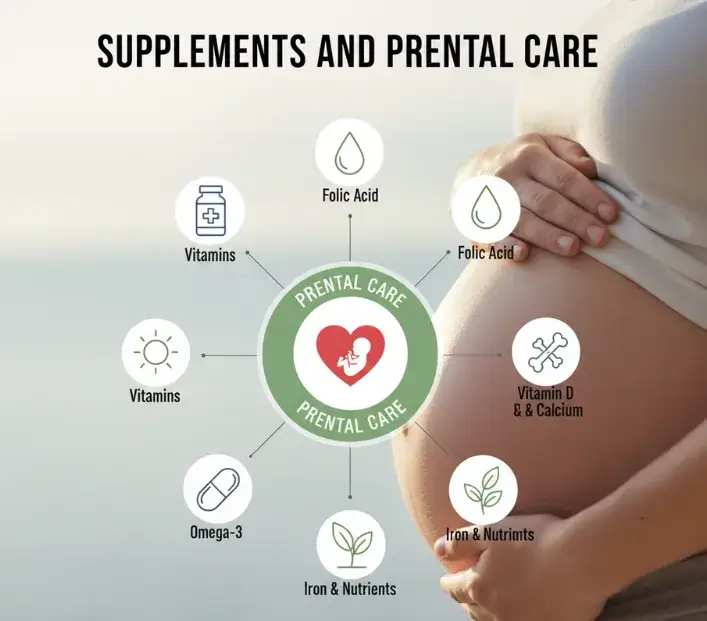
Supplements and Prenatal Care
Certain vitamins and minerals support reproductive health. Common recommendations include:
Folic acid Supports fetal development and reduces neural tube defect risk.
Vitamin D Supports hormone balance and immune health.
Iron Supports healthy blood levels during pregnancy.
Omega-3 fatty acids May support egg quality and embryo development.
Coenzyme Q10 Sometimes recommended for egg quality support.
Always consult a healthcare provider before starting supplements.
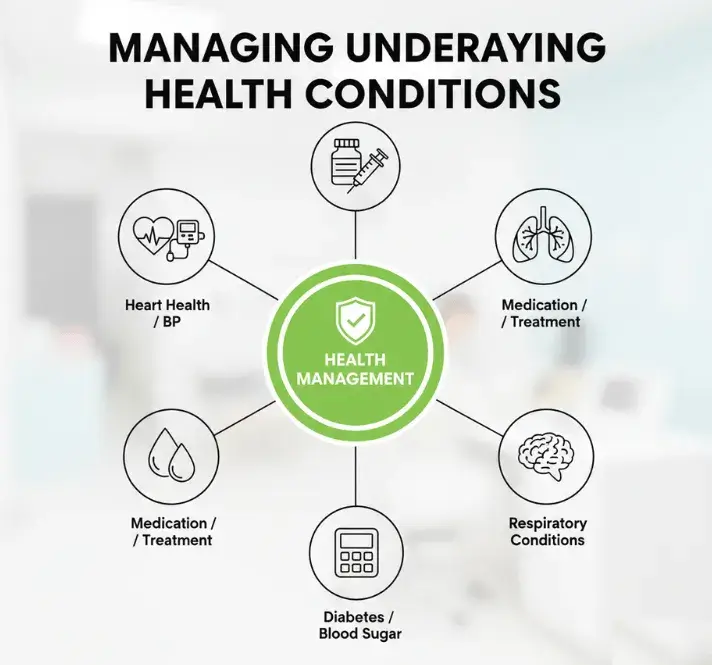
Managing Underlying Health Conditions
Medical conditions can affect fertility if not properly managed.
Conditions to monitor include:
PCOS
Thyroid disorders
Diabetes
Endometriosis
Fibroids
Proper treatment can improve ovulation and pregnancy chances.
Medical Treatments and Fertility Options
If natural conception takes longer than expected, medical treatments may help.
Ovulation Induction
Doctors use fertility medicines to help ovaries release eggs regularly improving timing of ovulation and increasing chances of conception when natural cycles are irregular or absent.
Intrauterine Insemination (IUI)
During IUI prepared sperm is placed inside the uterus near ovulation helping sperm reach the egg faster and improving pregnancy chances in mild fertility cases safely.
In Vitro Fertilization (IVF)
IVF combines eggs and sperm in a laboratory then transfers embryo into uterus increasing success when other treatments fail or when complex fertility problems exist persist.
Egg Freezing and Donor Eggs
Egg freezing preserves younger eggs for future pregnancy while donor eggs offer higher success when ovarian reserve declines significantly with age or reduced egg quality levels.
Pregnancy Risks After 35
Regular prenatal care helps monitor and manage risks effectively. Pregnancy after 35 is often safe, but certain risks are slightly higher.
Possible risks include:
Gestational diabetes
High blood pressure
Placenta complications
Preterm birth
Cesarean delivery
Chromosomal abnormalities
Doctors may recommend additional screenings such as:
Genetic testing
Ultrasound monitoring
Blood pressure tracking
Glucose screening
Early monitoring supports a healthy pregnancy.
Final Verdict
Fertility after 35 may involve more planning, patience, and awareness, but many women successfully conceive and have healthy pregnancies.
Understanding how age affects egg quality, hormones, and ovulation allows you to take practical steps early. Healthy lifestyle habits, proper medical guidance, and timely fertility support can significantly improve the chances of conception.
If pregnancy does not happen immediately, remember that various treatment options are available, from ovulation support to IVF and donor eggs.
Every fertility journey is unique. Staying informed, proactive, and emotionally supported can make the process more manageable and hopeful.
With the right approach and medical guidance, pregnancy after 35 is still very possible.