The Role of Hormones in Reproductive Health for men and women

The Role of Hormones in Reproductive Health

Many people struggle to understand how hormones affect their reproductive health. Irregular periods, low fertility, unexplained fatigue, or changes in libido can feel confusing, especially when the root cause isn’t obvious.

In most cases, these issues are linked to hormonal imbalances, but the connection is not always clear without the right knowledge. This often leaves people searching for simple explanations they can actually understand and use.

This guide breaks everything down in a clear and practical way, helping you understand how hormones work, what can go wrong, and how to manage your reproductive health with confidence.

Table of Contents

Understanding the Endocrine System and Reproductive Function

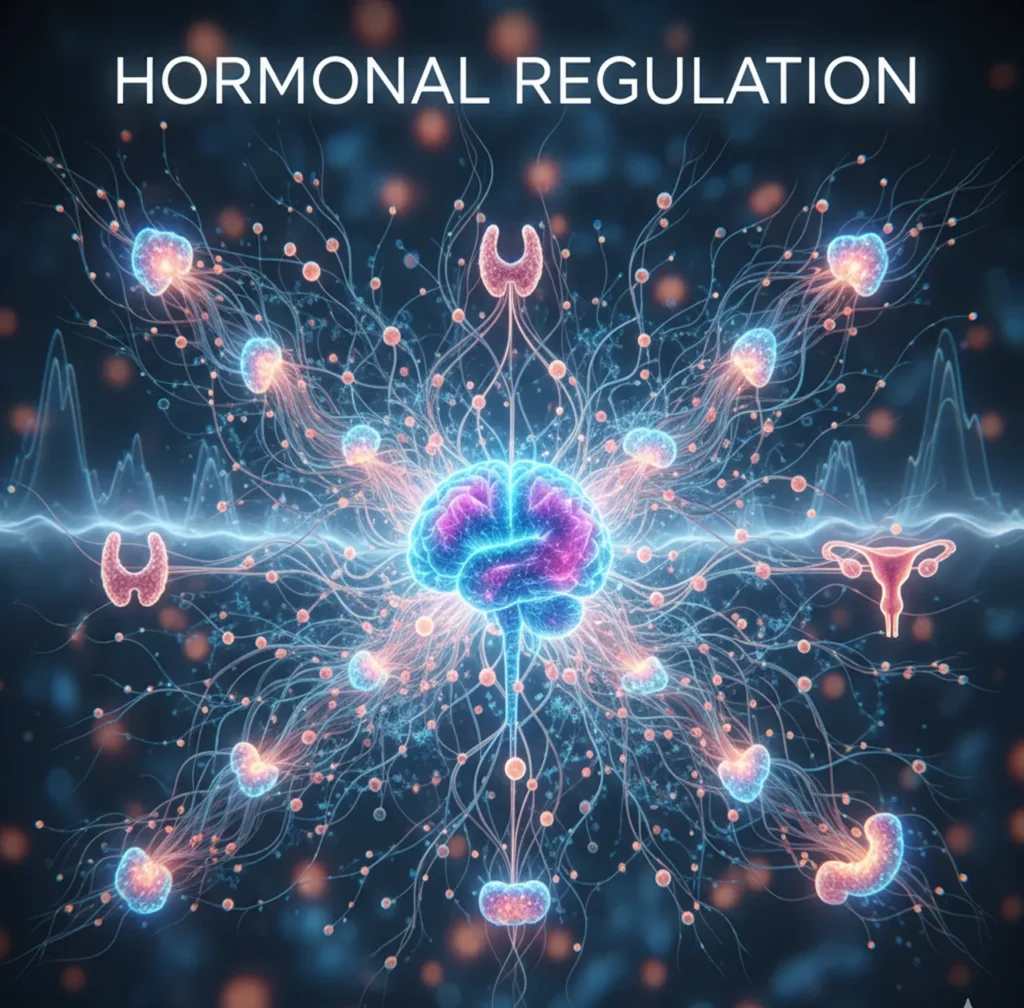
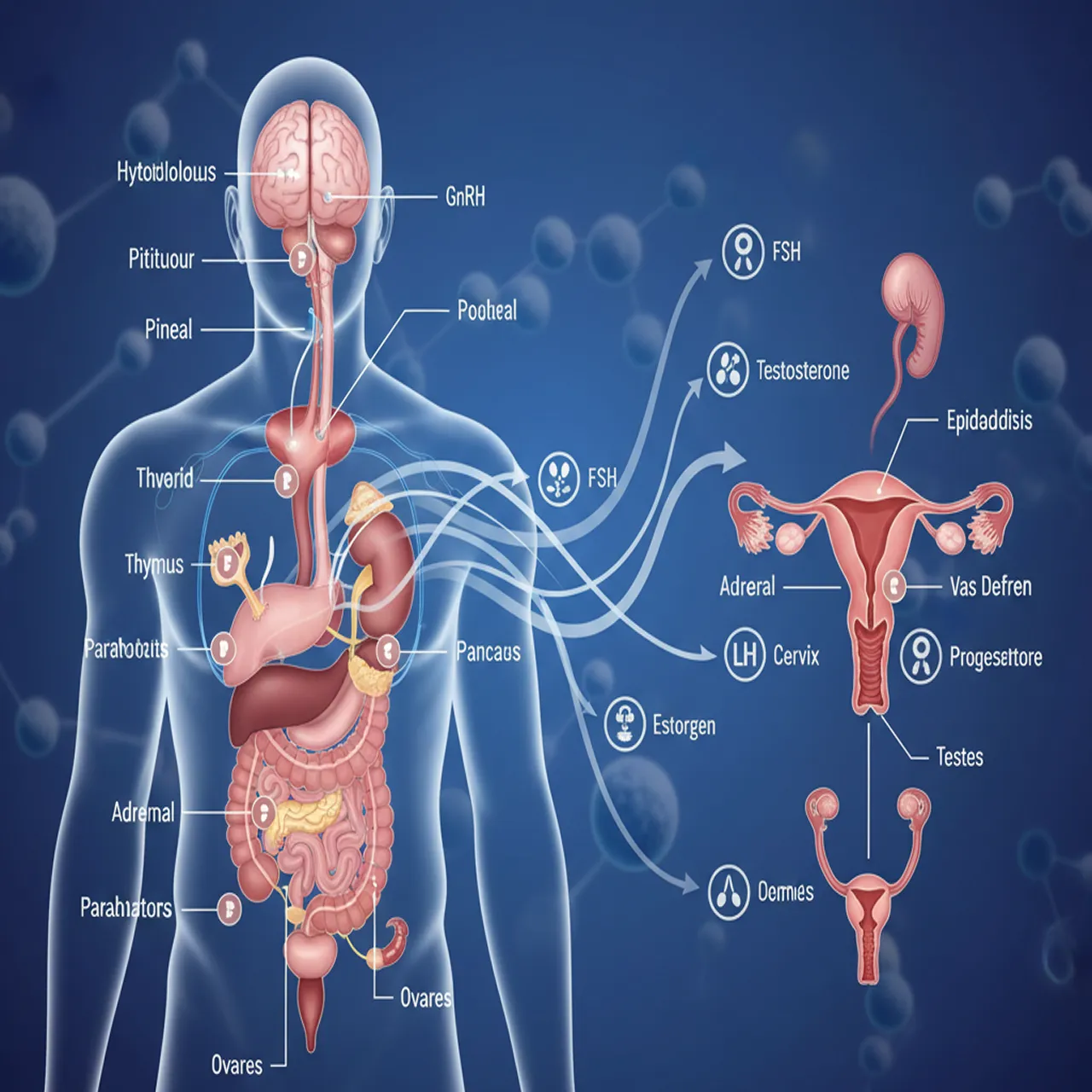
The endocrine system is a network of glands that produce and release hormones into the bloodstream.

These hormones travel to different organs and tissues, telling them what to do and when to do it.

Key glands involved in reproductive health include:

  • The hypothalamus (controls hormone signals)
  • The pituitary gland (often called the “master gland”)
  • The ovaries in women and testes in men

Together, they form a communication system that keeps reproductive processes running smoothly.

Even a small disruption in this system can affect fertility, cycles, or sexual health.
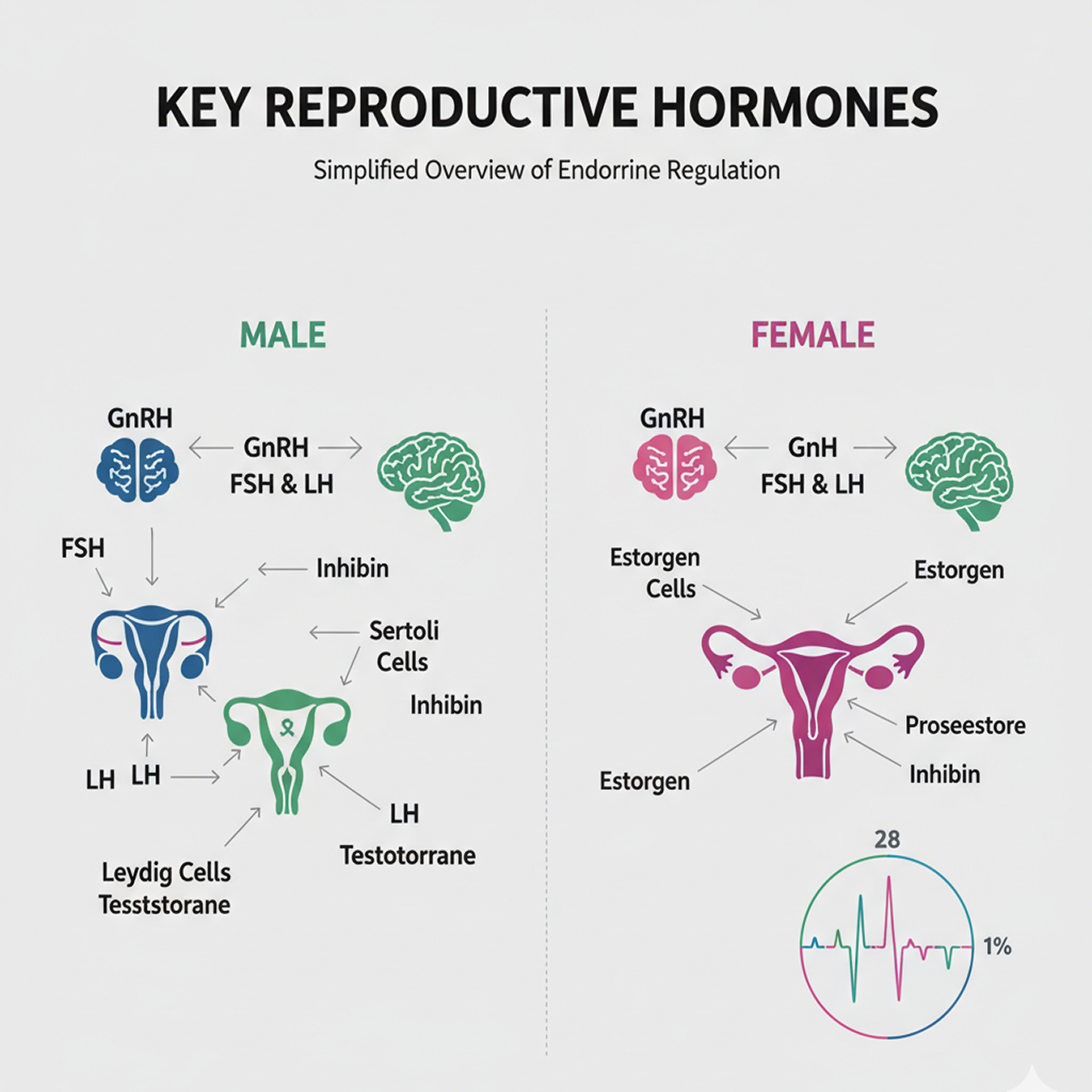
Key Reproductive Hormones and Their Functions

Reproductive health relies on several key hormones working together in balance. Understanding their roles helps you see how the body controls fertility, cycles, and overall reproductive function.

Estrogen

Estrogen is one of the main female sex hormones. It is responsible for:

  • Developing female physical traits during puberty
  • Regulating the menstrual cycle
  • Supporting the health of the uterus and bones

It also plays a role in mood, skin health, and heart function. Balanced estrogen levels are essential for regular cycles and fertility.

Progesterone

Progesterone works closely with estrogen and becomes especially important after ovulation. Its main functions include:

  • Preparing the uterus for pregnancy
  • Supporting early pregnancy
  • Regulating the second half of the menstrual cycle

Low progesterone levels can make it difficult for a fertilized egg to implant.

Key Reproductive Hormones and Their Functions

Testosterone

Although often linked to men, testosterone is present in both sexes.

In men, it is responsible for:

  • Sperm production
  • Muscle mass and strength
  • Libido (sex drive)

In women, it contributes to:

  • Energy levels
  • Sexual desire
  • Hormonal balance

Too much or too little testosterone can disrupt reproductive health.

Follicle-Stimulating Hormone (FSH)

FSH is produced by the pituitary gland and plays a key role in reproduction.

  • In women: It stimulates the growth of ovarian follicles (which contain eggs)
  • In men: It supports sperm production

Abnormal FSH levels can indicate fertility issues or ovarian/testicular problems.

Follicle-Stimulating Hormone (FSH)

LH works alongside FSH and is crucial for ovulation.

  • In women: A surge in LH triggers the release of an egg from the ovary
  • In men: It stimulates testosterone production

Timing of LH release is essential for natural conception.

Prolactin

Prolactin is best known for its role in milk production after childbirth. However, it also affects reproductive health by:

  • Regulating ovulation
  • Influencing hormone balance

High prolactin levels can interfere with fertility in both men and women.

Hormonal Regulation of the Menstrual Cycle

The menstrual cycle is a well-coordinated process controlled by hormonal changes.

It typically has four phases:

  1. Menstrual phase – Shedding of the uterine lining
  2. Follicular phase – FSH stimulates egg development
  3. Ovulation – LH surge releases the egg
  4. Luteal phase – Progesterone prepares the uterus

Each phase depends on precise hormone levels.

Even slight imbalances can lead to irregular periods or missed ovulation.

Hormones and Male Reproductive Health

Hormones and Male Reproductive Health

Hormones are just as important for men. Testosterone, FSH, and LH regulate:

  • Sperm production
  • Sexual function
  • Physical development

Low testosterone levels may lead to reduced fertility, low energy, and decreased muscle mass.

Hormonal balance is essential for maintaining both reproductive and overall health in men.

Hormonal Imbalances and Reproductive Disorders

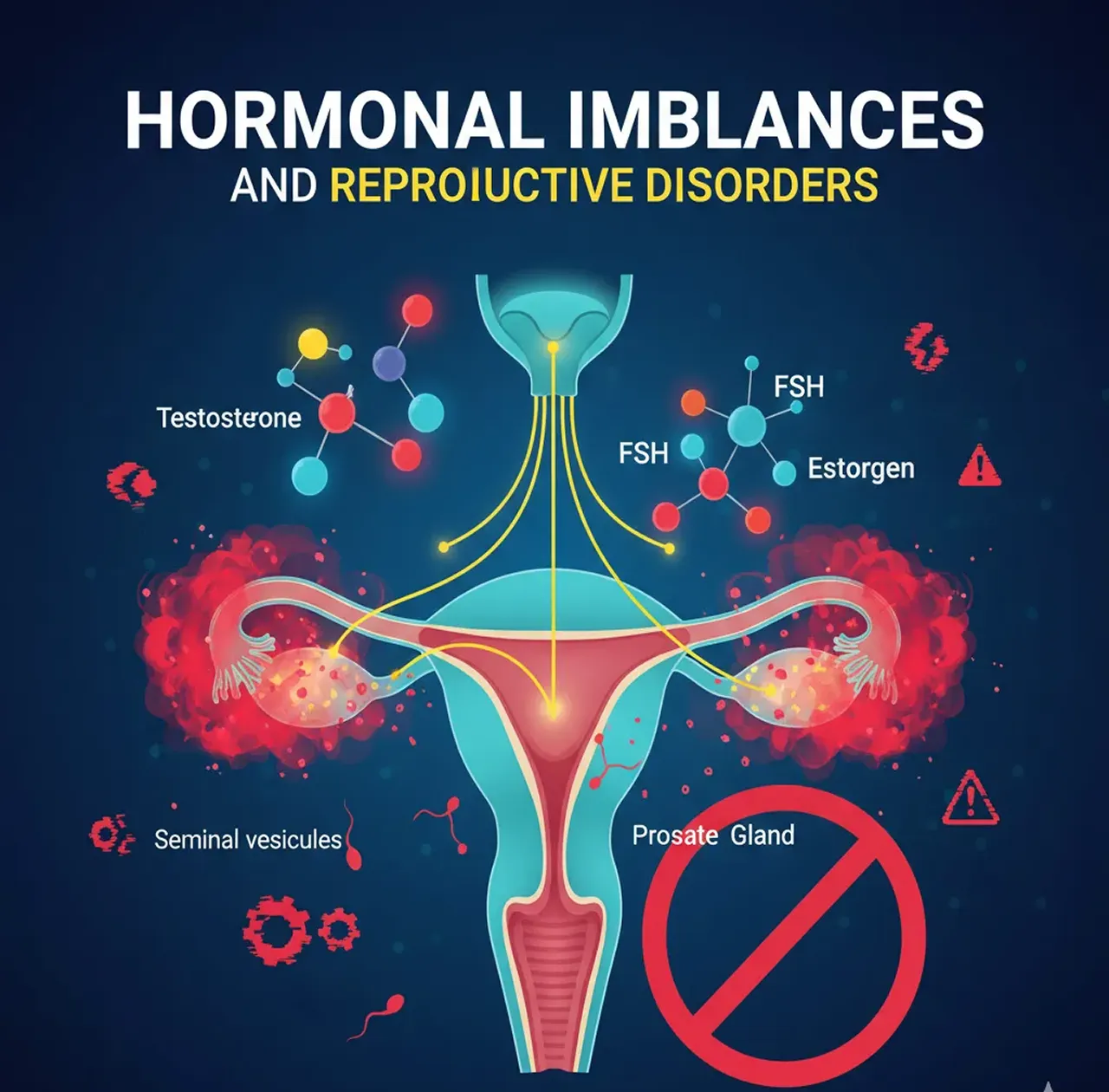
When hormones are not in balance, it can lead to various reproductive health issues, such as:

  • Irregular menstrual cycles
  • Polycystic ovary syndrome (PCOS)
  • Infertility
  • Low sperm count
  • Thyroid-related reproductive problems

Symptoms of imbalance may include fatigue, weight changes, mood swings, or changes in libido. Early detection is key to effective management.

How Hormones Influence Fertility?

Fertility depends heavily on hormonal coordination. For conception to occur:

  • An egg must be released (regulated by FSH and LH)
  • Hormones must prepare the uterus (progesterone)
  • Sperm production must be healthy (testosterone and FSH)

If any part of this hormonal chain is disrupted, conception can become difficult. That’s why hormone testing is often one of the first steps in fertility evaluation.

Hormonal Changes Across Different Life Stages

Hormone levels naturally shift throughout life, influencing reproductive health at every stage. Understanding these changes helps you better manage your body and know what to expect over time.

Puberty

Puberty begins reproductive maturity as hormones trigger body changes, menstrual cycles in girls, and sperm production in boys, shaping future health

Reproductive Years

Reproductive years bring stable hormone patterns, regular cycles in women, steady testosterone in men, and the highest natural fertility potential stage

Pregnancy

Pregnancy involves major hormonal shifts where progesterone, estrogen, and hCG work together to support fetal growth and maintain a healthy pregnancy

Menopause and Andropause

With aging, hormone levels decline as menopause ends cycles in women and andropause lowers testosterone in men, affecting health and fertility naturally

Lifestyle Factors That Affect Hormonal Balance

Small lifestyle improvements can have a big impact on hormonal health.

Daily habits can significantly influence hormone levels.

Key factors include:

  • Diet: Nutrient-rich foods support hormone production
  • Exercise: Regular activity helps regulate hormones
  • Sleep: Poor sleep disrupts hormonal cycles
  • Stress: Chronic stress increases cortisol, which can interfere with reproductive hormones

Diagnosis and Testing of Hormonal Imbalances

If a hormonal issue is suspected, healthcare providers may recommend:

  • Blood tests to measure hormone levels
  • Ultrasound scans for reproductive organs
  • Semen analysis for men
  • Ovulation tracking in women

Accurate diagnosis helps identify the root cause and guides treatment.

Treatment Options for Hormonal Imbalances

Treatment Options for Hormonal Imbalances

Treatment depends on the specific condition and its severity. Common options include:

  • Hormone therapy
  • Medications to regulate cycles or ovulation
  • Lifestyle changes
  • Fertility treatments when needed

The goal is to restore balance and improve overall reproductive function.

Preventive Strategies for Maintaining Hormonal Health

Maintaining hormonal balance is often easier than correcting it later. Helpful strategies include:

  • Eating a balanced diet
  • Staying physically active
  • Managing stress effectively
  • Getting regular health check-ups
  • Avoiding smoking and excessive alcohol

Consistency is key when it comes to long-term hormonal health.

Conclusion

Hormones are at the core of reproductive health, influencing everything from puberty to fertility and aging. When they are in balance, the body functions smoothly.

When they are not, it can lead to noticeable health challenges. By understanding how hormones work and taking steps to support their balance, you can protect your reproductive health and overall well-being.

Whether you are planning for the future or addressing current concerns, awareness is the first and most important step.