


Trying to understand how stress affects fertility can feel overwhelming, especially when you are already dealing with uncertainty around conception. Many people notice changes in their cycle, low energy, or reduced sexual health and start wondering if stress might be part of the problem.
The challenge is that stress does not always show up in obvious ways. It can quietly disrupt hormones, ovulation, and reproductive function in both men and women, making it harder to understand what is really going on.
In this guide, we will clearly explain how stress impacts fertility, the common signs to look for, and what you can realistically do to improve your chances of conception.
Stress is your body’s natural reaction to pressure or difficult situations. When you are stressed, your body releases hormones like cortisol and adrenaline that prepare you to respond quickly. In small amounts, stress is normal and even helpful.
But when it continues for a long time, it starts affecting how your body works on a daily basis.
Long-term stress can affect:
The main hormone linked to fertility issues is cortisol. When cortisol stays high for too long, it can disturb important reproductive hormones like estrogen, progesterone, and testosterone, which may affect ovulation and sperm production.
Female fertility depends heavily on hormonal balance and regular reproductive cycles. Stress can interfere with both.
One of the first signs of stress-related fertility issues is changes in the menstrual cycle. High stress levels can:
This happens because stress affects the part of the brain that controls reproductive hormones, leading to irregular signaling between the brain and ovaries.
When cycles become irregular, it becomes harder to predict ovulation, which directly impacts the chances of conception.

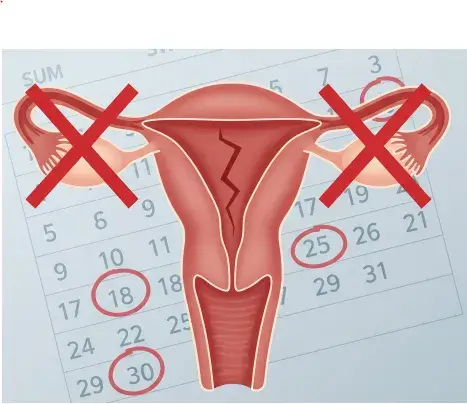
Ovulation is the release of an egg from the ovary. Stress can disrupt this process by interfering with hormone signals such as luteinizing hormone (LH) and follicle-stimulating hormone (FSH).
When ovulation does not occur regularly:
In some cases, chronic stress may even lead to temporary anovulation (absence of ovulation).
While research is still developing in this area, long-term stress may also indirectly affect egg quality. This is because stress can influence:
Poor egg quality can reduce the chances of successful fertilization and healthy embryo development.
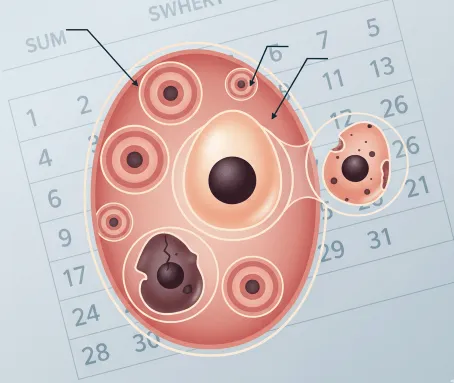
Stress does not only affect women. It also has a significant impact on male reproductive health.

High stress levels can reduce sperm production and affect sperm health. This may include:
These changes make it more difficult for sperm to reach and fertilize an egg.
Testosterone plays a key role in male fertility.
Chronic stress can lower testosterone levels by increasing cortisol, which suppresses reproductive hormone production.
Lower testosterone may lead to:
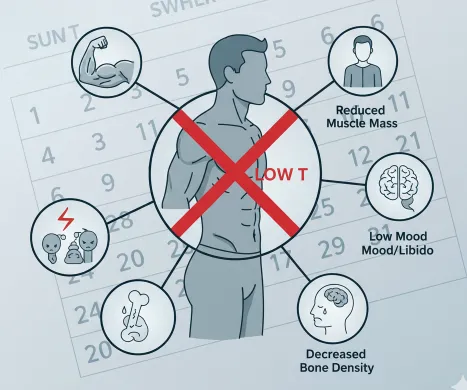

Stress can also affect sexual performance and confidence. Common issues include:
These problems can create additional emotional stress, forming a cycle that further impacts fertility.
Stress related to fertility can come from many sources, including both emotional and lifestyle factors:
Understanding the root cause of stress is an important step toward managing it effectively.

Managing stress does not mean eliminating it completely. Instead, the goal is to reduce its intensity and help your body respond to it in a healthier way.
In some cases, guidance from a trusted gynaecology clinic in London can also help identify underlying hormonal or reproductive factors that may be adding to stress.
Here are practical ways to support both emotional health and fertility.
Simple lifestyle adjustments can make a big difference:
These changes help regulate cortisol levels and support hormonal balance.


Relaxation practices are highly effective in reducing stress-related fertility issues:
Even 10–15 minutes daily can help reduce stress hormones and improve overall well-being.
If stress is significantly affecting fertility, medical guidance may be helpful. Fertility specialists can evaluate both physical and hormonal factors.
Medical support may include:
In some cases, addressing underlying fertility conditions can also reduce stress naturally, as uncertainty decreases.

Nutrition plays an important role in both stress management and fertility health.
A balanced diet should include:
Certain nutrients may also support stress regulation and reproductive health:
It is always best to consult a fertility specialist before starting supplements, especially when trying to conceive.
Fertility treatments such as IVF or other assisted reproductive techniques can be emotionally demanding. Stress management during this phase is especially important.
Helpful strategies include:
Emotional stability can improve how the body responds to fertility treatment and help maintain overall well-being.

Stress does not directly cause infertility in every case, but it can significantly influence reproductive health. It affects hormone balance, ovulation, sperm quality, and sexual function, making conception more difficult for some couples.
The good news is that stress is manageable. With the right combination of lifestyle changes, emotional support, and medical guidance, many people see improvements in both their stress levels and fertility outcomes.
Fertility is not only a physical process but also an emotional one. Taking care of mental well-being is just as important as any medical treatment or health routine.


